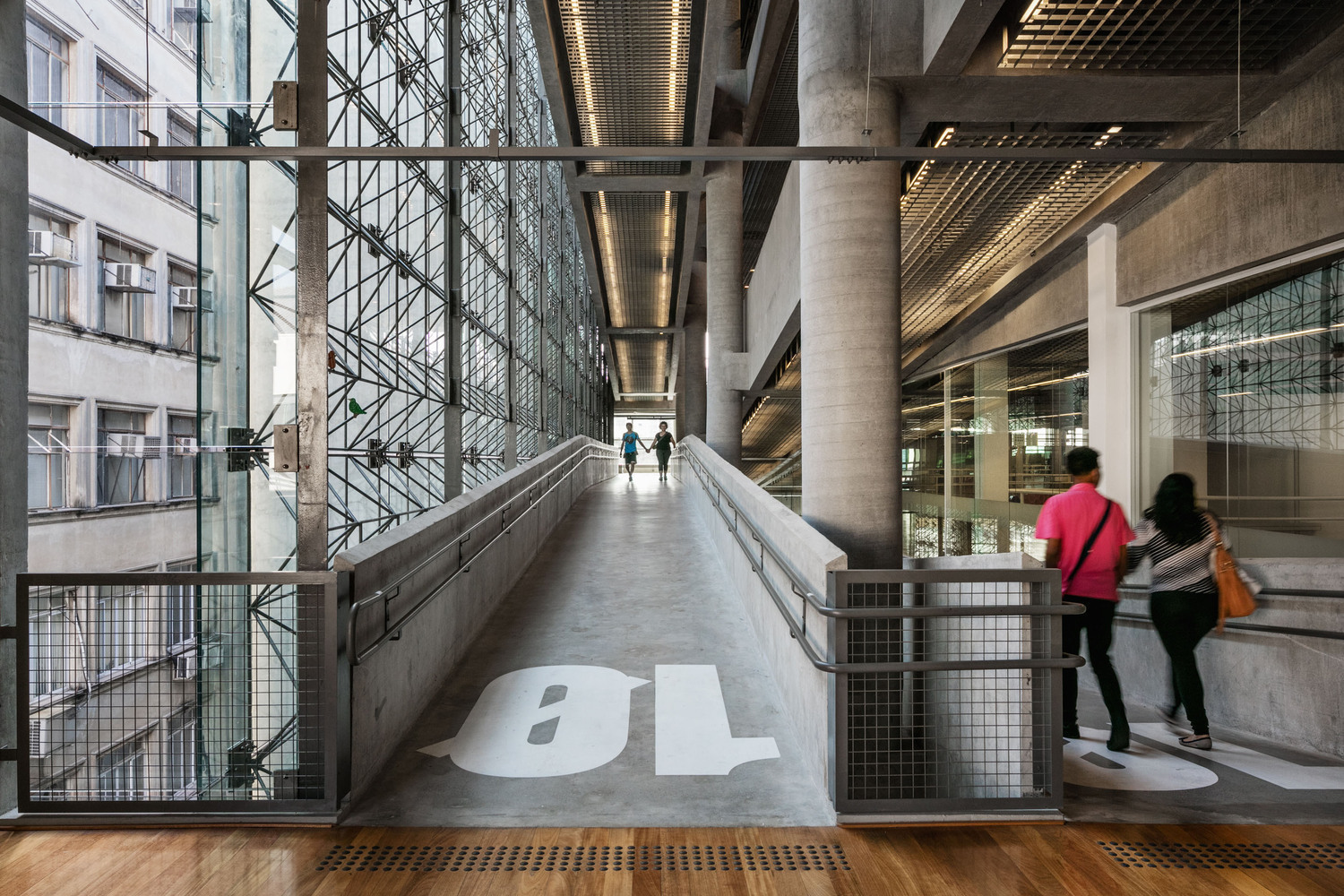
"Every year on 3 December, the International Day of Persons with Disabilities brings renewed attention to the need for inclusive, equitable environments, both socially and spatially. The 2025 theme, "Fostering disability inclusive societies for advancing social progress," highlights how persistent barriers in employment, social protection, and access to services continue to affect more than one billion people worldwide. Within this broader context, the built environment plays a decisive role: architecture can either reinforce exclusion or open pathways toward autonomy, dignity, and participation in daily life."
"As the United Nations reflects on six years of its Disability Inclusion Strategy, the conversation increasingly intersects with questions of spatial justice and accessibility in cities. Globally, many public buildings incorporate accessibility measures due to regulation, yet residential spaces, streetscapes, and everyday infrastructures often lag behind. The growing need for environments that support diverse bodies and abilities, intensified by aging populations and expanding urban systems, underscores the responsibility of architects, planners, and policymakers to move beyond minimum standards and toward more comprehensive, human-centered design approaches."
"Examples such as the "curb cut effect" illustrate how inclusive design strategies, initially introduced to support wheelchair users, ultimately improve mobility and safety for a wide range of people. This principle extends across architecture: when spaces are designed with empathy, flexibility, and universal access in mind, they generate benefits far beyond their intended users. In this sense, disability-inclusive design is not a niche specialization but a foundational component of resilient, future-oriented cities."
On 3 December, the International Day of Persons with Disabilities emphasizes the need for inclusive, equitable social and spatial environments. The 2025 theme highlights persistent barriers in employment, social protection, and access to services that affect over one billion people worldwide. The built environment can either reinforce exclusion or enable autonomy, dignity, and participation. Global accessibility regulations often improve public buildings while residential spaces, streetscapes, and everyday infrastructure fall behind. Aging populations and urban expansion increase demand for environments that support diverse bodies and abilities. Inclusive strategies, like the curb cut effect, show universal benefits. Architects, planners, and policymakers must move beyond minimum standards toward human-centered design.
Read at ArchDaily
Unable to calculate read time
Collection
[
|
...
]