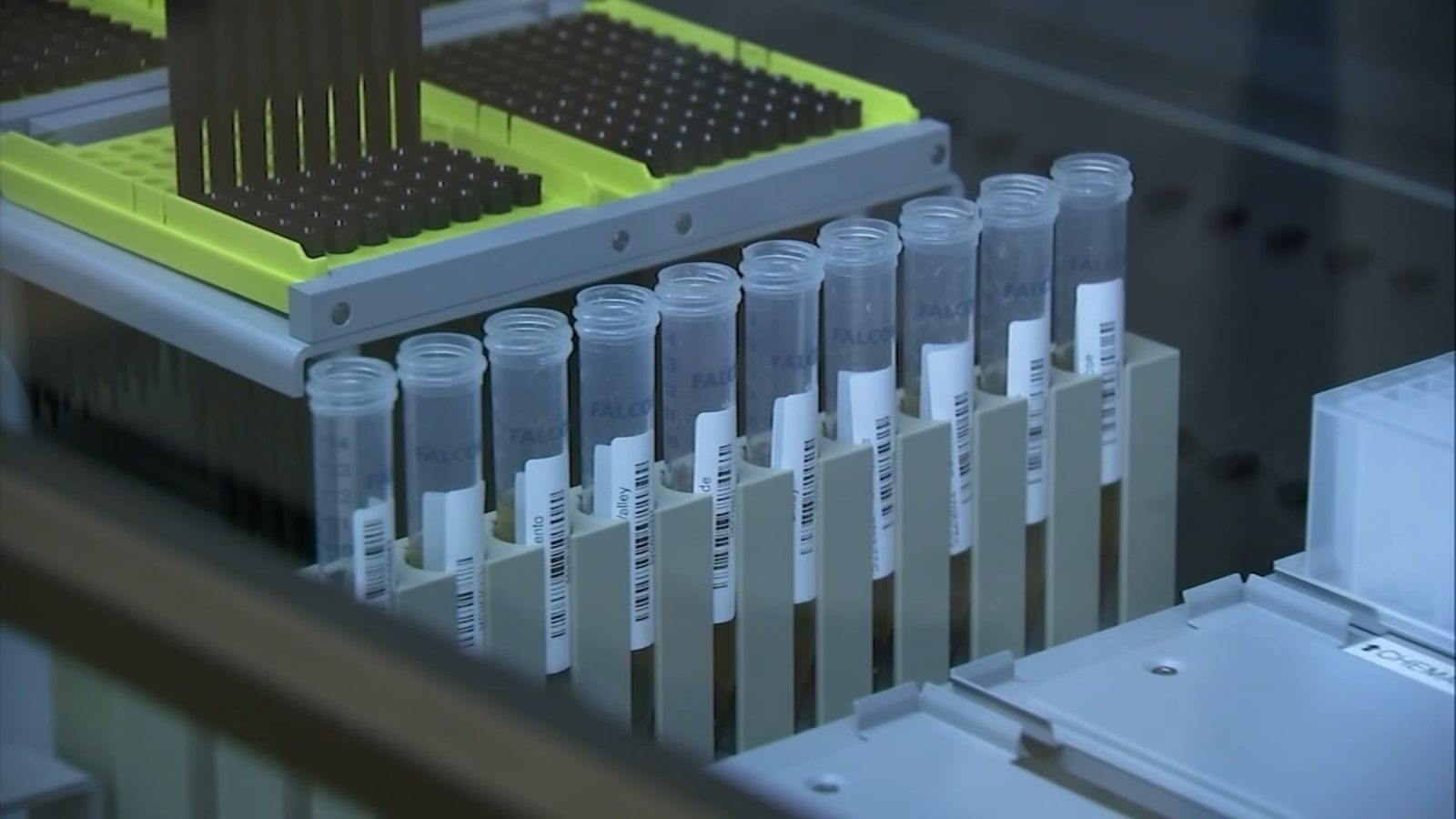
High concentrations of rotavirus across the Bay Area are increasing concern among infectious disease experts, especially for young children who are most vulnerable. Rotavirus is highly contagious and can cause severe watery diarrhea, vomiting, fever, and abdominal pain. Experts say the virus spreads easily through the oral cavity, particularly when children do not wash hands well and when exposure occurs through contact with contaminated diarrhea. Stanford scientists detected rising rotavirus levels in March using wastewater monitoring, with continued significant growth across the Bay Area and also across the country. Most cases are not formally recorded because surveillance mainly captures severe infections requiring hospitalization, while wastewater sampling provides broader community spread information.
"“Absolutely can be fatal. Usually, though, in this country, we will take the child and we'll get them hydrated,” Dr. Gandhi said."
"“It enters through the oral cavity. You know, children, especially young children, are not as great at washing their hands. There's been exposure to diarrhea from someone else. They get the virus in their mouth, they swallow it, and then basically it goes down to the lower tract and it causes watery, really, bad diarrhea can cause vomiting and nausea,” Dr. Gandhi said."
"“We have seen a little bit higher levels in Gilroy, sort of in the south of Silicon Valley. But levels have been increasing and are high, relatively high, throughout the Bay area right now, as well as across the country,” said Alexandria Boehm, a Stanford professor of civil and environmental engineering."
"Most rotavirus cases are not formally recorded because only severe infections requiring hospitalization are tracked. Experts say wastewater sampling provides a broader picture of how the virus spreads in communities."
Read at ABC7 San Francisco
Unable to calculate read time
Collection
[
|
...
]