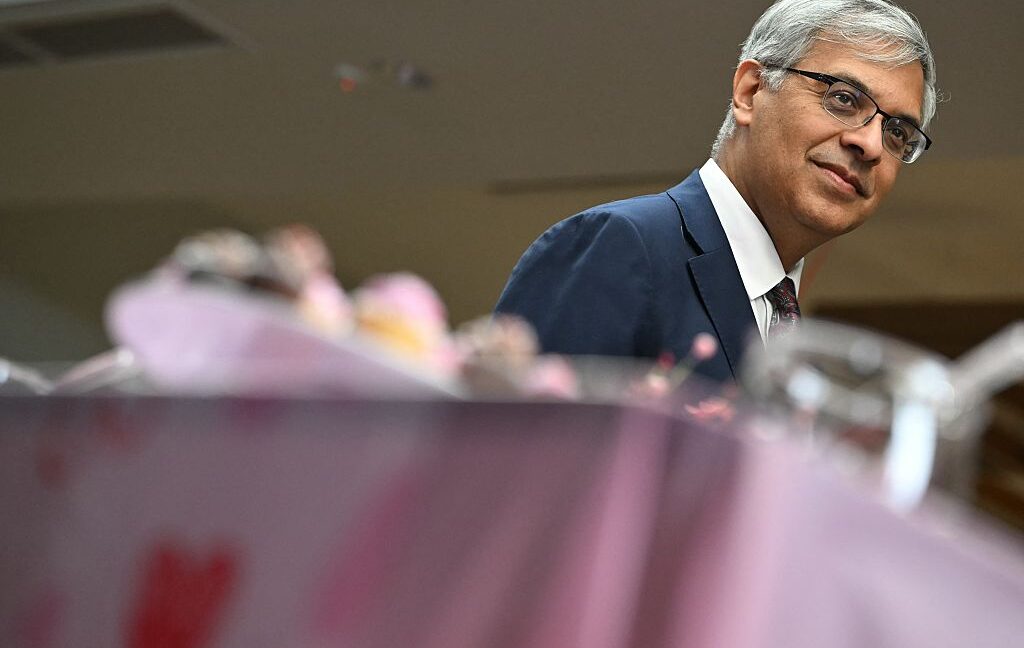
"Bhattacharya was one of the signatories of the Great Barrington Declaration, which argued that we should try to protect the elderly and vulnerable but otherwise enable COVID to spread through the rest of the population. By and large, public health officials were aghast at the likely consequences-overwhelmed hospital systems, a still-substantial rate of mortality among healthy adults, the consequences of more cases of long COVID, etc.-and argued strongly against it."
"Bhattacharya suffered no professional consequences but felt his ideas were being suppressed. He took part in a lawsuit that accused the government of censoring him, but the Supreme Court rejected it on the grounds that he was unable to tie any alleged incident of censorship to the government agencies he sued."
"The speaker at the first lecture will be a former journalist best known for his fringe ideas on COVID and the climate. The topic will be the possibility that SARS-CoV-2 was accidentally released from a lab, an idea for which there is no scientific evidence."
The National Institutes of Health announced a new lecture series called 'Scientific Freedom Lectures,' with the inaugural event scheduled for March 20. The first speaker is a former journalist known for fringe ideas about COVID-19 and climate change, who will discuss the unsubstantiated lab-leak theory of SARS-CoV-2. NIH Director Jay Bhattacharya, who championed the Great Barrington Declaration during the pandemic, feels his ideas were suppressed despite facing no professional consequences. After a failed Supreme Court lawsuit alleging government censorship, Bhattacharya has become focused on reforming the scientific community. The 'scientific freedom' theme reflects his personal grievances rather than genuine scientific concerns.
Read at Ars Technica
Unable to calculate read time
Collection
[
|
...
]