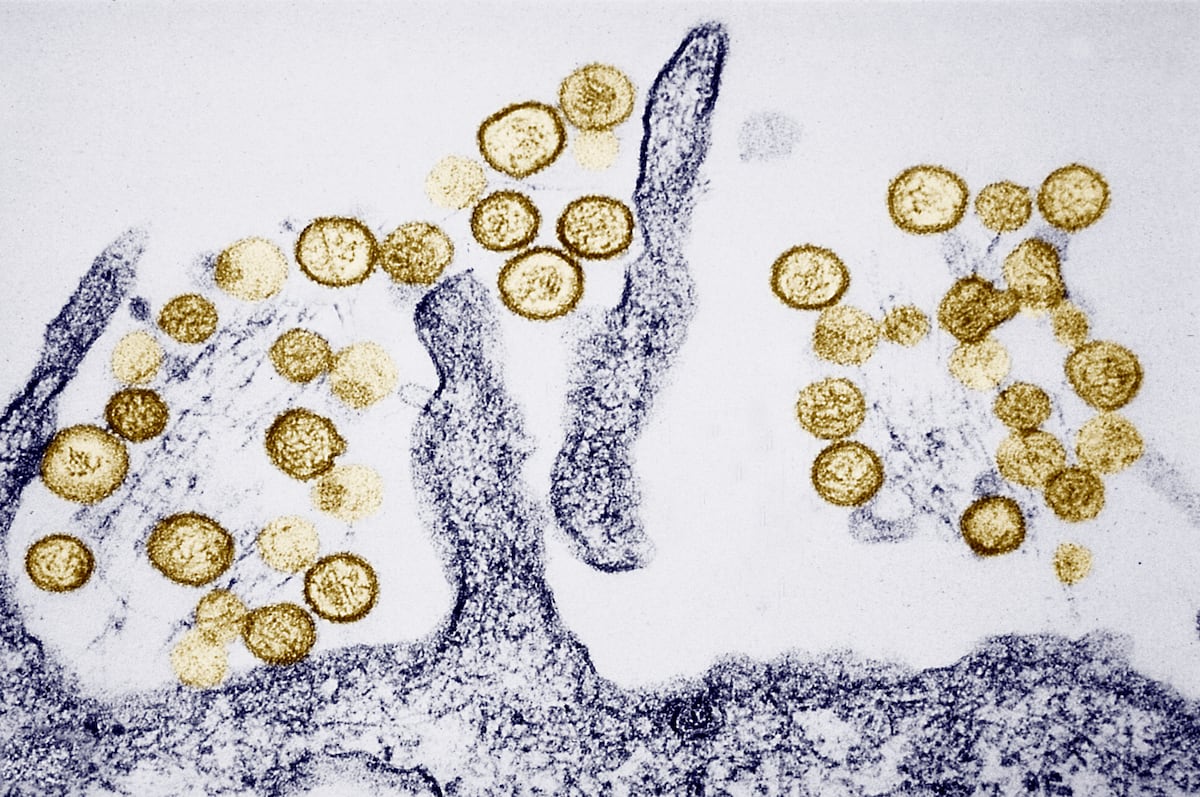
"The hantavirus from the MV Hondius outbreak has been sequenced from samples taken from one of the infected individuals. The results confirm that it is the Andes strain, the most virulent and contagious, but rule out any mutation. Sequencing the virus is now a priority for the scientific community. It holds within its structure a black box of crucial information: it can help identify how the virus spread, why so many people have become ill (to date, there are 10 suspected cases and three deaths from a virus considered very difficult to transmit), and how long it may have been circulating before its detection."
"At the end of April, a married couple living in Switzerland finished a cruise that had taken them from Ushuaia in Argentina to Saint Helena. On the remote Atlantic island, they said goodbye to their companions of the past few weeks. Most of the passengers were continuing their journey to Cape Verde, but they were returning home. A few days later, they received an email from the cruise operator. It informed them that a rare illness had been detected on board and suggested they self-isolate and monitor their symptoms."
"The wife displayed no symptoms, but the husband was already experiencing some (hantavirus initially manifests in a way similar to the flu: fever, cough, and gastrointestinal discomfort). He first called his family doctor and then went to the University Hospital of Zurich, where he tested positive for hantavirus. A team of biologists immediately began working on the genetic samples from this patient. While the world was focused on a cruise ship in the Atlantic, 10 men and women began investigating the cause of all this com"
Genetic sequencing of hantavirus samples from an infected individual on the MV Hondius outbreak confirms the virus is the Andes strain, described as highly virulent and contagious, while ruling out any mutation. Sequencing is prioritized to reveal how the virus spread, why many people became ill, and how long it may have circulated before detection. The outbreak involved a rare illness detected after a cruise from Ushuaia to Saint Helena, followed by self-isolation guidance and symptom monitoring. The husband developed flu-like symptoms and tested positive at the University Hospital of Zurich, prompting biologists to begin genetic analysis of the patient’s samples. Additional sequencing data is expected to clarify how the virus evolves.
Read at english.elpais.com
Unable to calculate read time
Collection
[
|
...
]