The Ebola outbreak in the Democratic Republic of the Congo involves the Bundibugyo species, first identified about two decades earlier in Uganda’s Bundibugyo district. The outbreak is the 17th Ebola outbreak in the DRC since 1976, with confirmed cases, suspected infections, and reported deaths, and further growth expected. The origin in Ituri province is unknown, but fruit bats are suspected as a reservoir. Spillover is described as the virus jumping from bats to other animals or people. High risk is linked to communities living near national parks with many fruit bats and primates, frequent hunting and garden interactions, and consumption of wildlife. A porous border and bushmeat markets facilitate cross-border movement and exposure.
"The latest outbreak is the 17th outbreak of Ebola in the DRC since the virus was first identified in 1976. So far, 51 people have tested positive for the Bundibugyo species; another 600 people have suspected infections and 139 are thought to have died from the disease, according to the latest update from the World Health Organization's director-general, Tedros Adhanom Ghebreyesus. Infections are expected to rise further, he says."
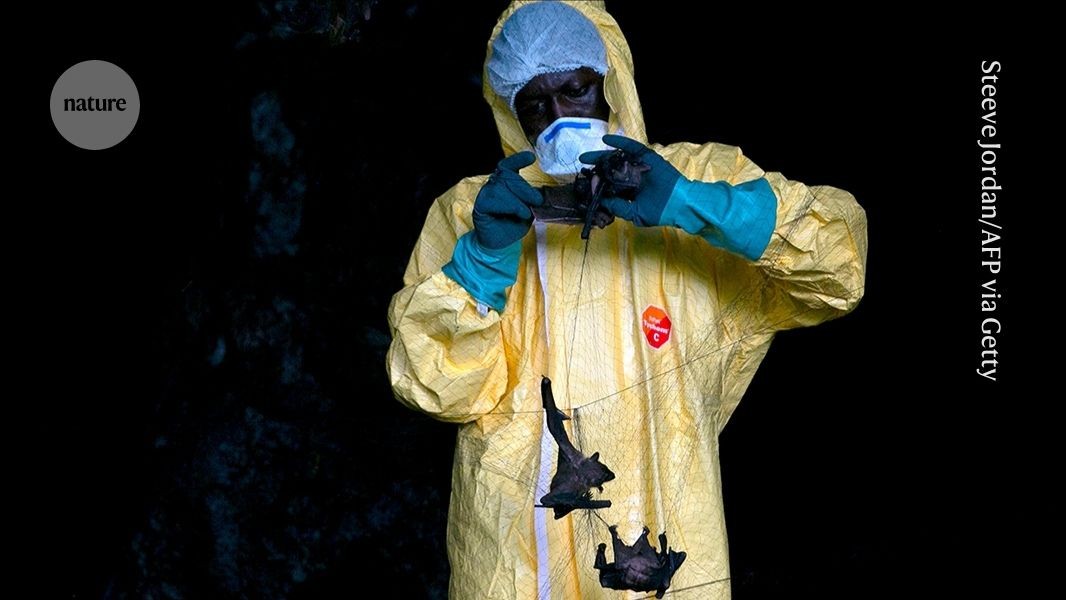
"The origin of the latest outbreak in the Ituri province in the DRC is unknown, but fruit bats are suspected. They are a reservoir of Ebola viruses and are common in the region. Past Ebola outbreaks have been caused by 'spillover' events, in which the virus jumps from bats to other animals or people."
"People in Bundibugyo live close to national parks. These parks have a high number of fruit bats, along with primates such as monkeys and baboons. These animals interact with the communities. People go out to these national parks to hunt, and animals go to people's gardens for food. Physical contact with wildlife is common, and some people eat these creatures. The ecosystem is tightly interlinked, which increases the possibility of a spillover through direct contact."
"Uganda's border with the Democratic Republic of Congo (DRC), where the current outbreak is taking place, is very porous. People move in and out freely, often without passports or other forms of identification."
Read at Nature
Unable to calculate read time
Collection
[
|
...
]