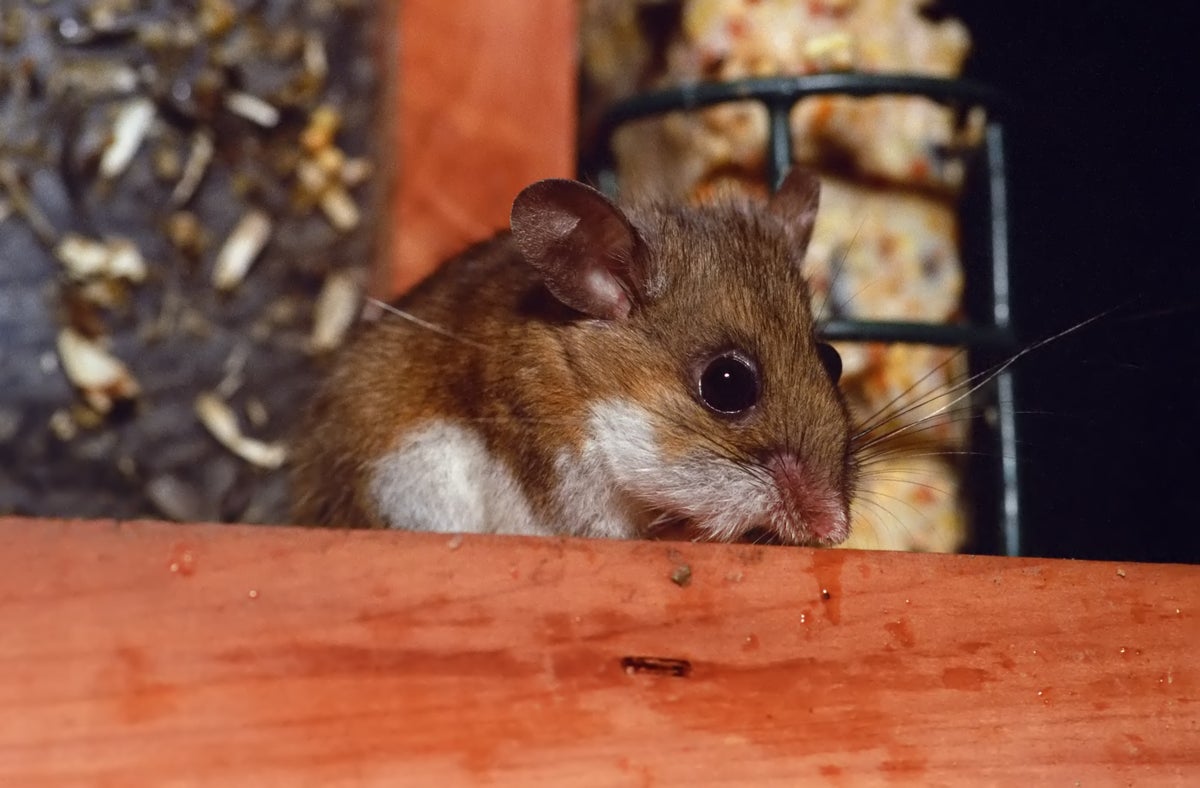
Rodents captured in the Pacific Northwest showed higher Sin Nombre virus carriage than previously suspected. Researchers collected fecal and tissue samples from 189 rodents across eastern Washington and western Idaho during summer 2023. Testing measured hantavirus antibodies to indicate active infection and viral RNA to indicate prior carriage. Results found about 10% of rodents had Sin Nombre at the time of sampling, while nearly 30% showed signs of past infection. Sin Nombre is not spread from human to human, unlike the Andes virus linked to a recent cruise ship outbreak. People become infected through exposure to rodents and their excretions, including feces and urine. The virus has a reported mortality rate of 35% to 50% and was first identified in 1993 after multiple deaths and illnesses in the Four Corners region.
"The research was conducted in the summer of 2023, predating the current hantavirus outbreak, which began on a cruise ship in early May. The researchers collected fecal and tissue samples from a total of 189 rodents of various kinds, including several types of voles, mice and chipmunks, on farms and in other areas in eastern Washington and western Idaho. The samples were tested for both hantavirus antibodies, a sign of an active infection, and for viral RNA, which can indicate if the rodent has ever carried the virus."
"The results showed around 10 percent had Sin Nombre at the time the samples were taken, while almost 30 percent showed signs of past infection. Sin Nombre is not transmissible from human to human, unlike the Andes virus at the center of the cruise ship outbreak. Instead, people become infected when they are exposed to rodents and their excretions, such as their feces and urine. That limitation has made Sin Nombre cases scarce, but it is still deadly."
"The virus was first identified in 1993 after 11 people died and almost two dozen more got sick in the Four Corners region of the U.S. It has a mortality rate between 35 and 50 percent. Human cases of hantavirus are relatively rare in the"
Read at www.scientificamerican.com
Unable to calculate read time
Collection
[
|
...
]