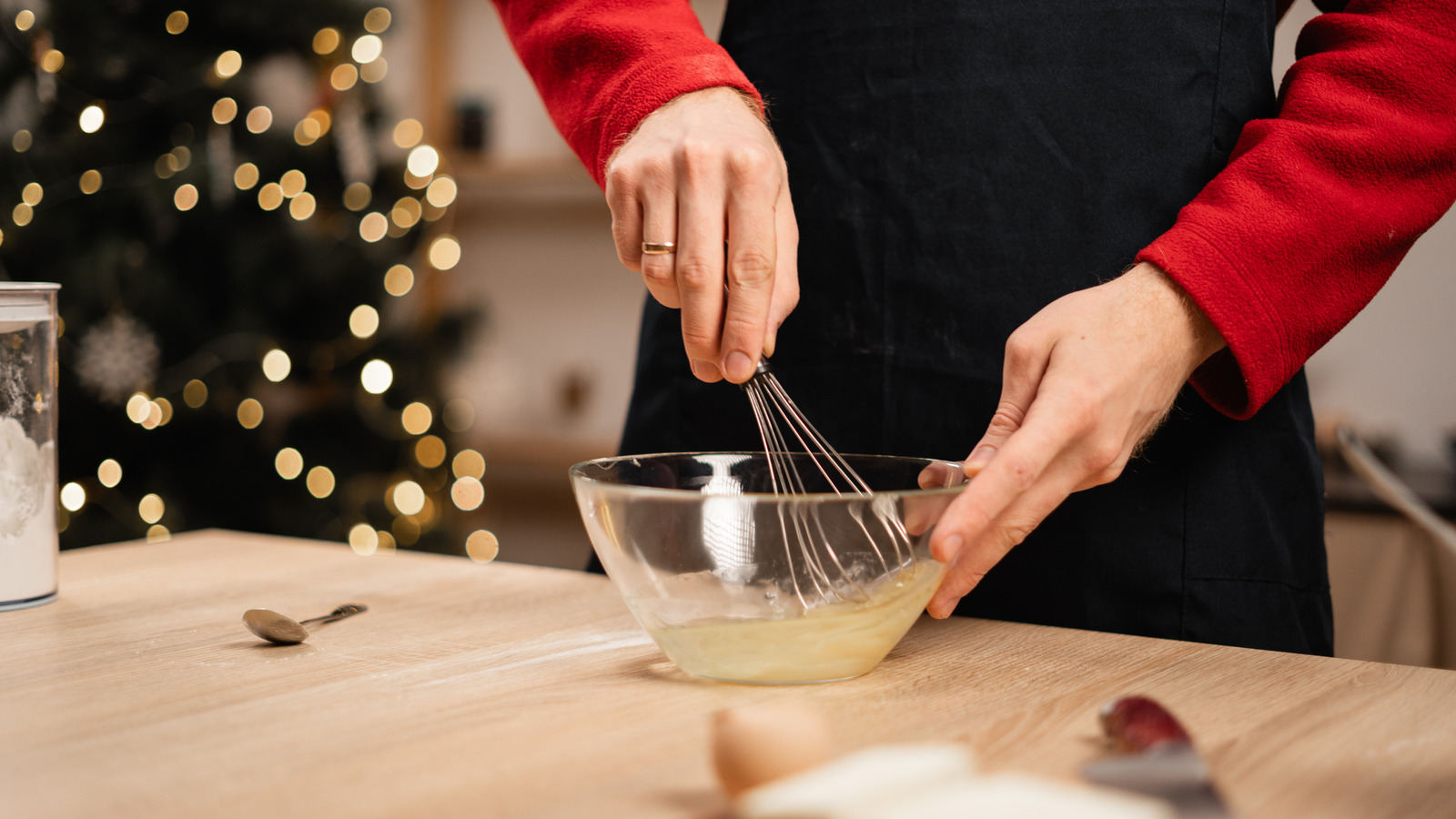
"Glass mixing bowls are sparkly and pretty, they stack neatly, and it's fun to see the ingredients come together through the translucent sides. But in a working kitchen, the main drawback is structural, because glass is strong only until it isn't. A stainless steel bowl will dent and ding when dropped, but a glass bowl will shatter. Even tempered or "shock resistant" glass has a breaking point."
"They're also heavy. Steadying a large glass bowl full of dough or whipped cream requires real wrist strength, and the one-handed lift-and-tilt maneuver to scrape batter into a pan can be an arm workout. Stability can be iffy, because on stone countertops, glass tends to skate, unless you place a towel or silicone mat beneath. And, a quick note for anyone who collects vintage cookware. Vintage bowls, both glass and ceramic, sometimes contain lead-based glazes or decorative elements."
Glass mixing bowls offer visual appeal and neat stacking, allowing cooks to watch ingredients combine through translucent sides. Glass is structurally vulnerable and can shatter when dropped, unlike dent-resistant stainless steel. Broken glass ruins contents and creates safety hazards; a piece of bread can lift small shards. Large glass bowls are heavy and require wrist strength for steadying and one-handed maneuvers, and they can slide on stone countertops without a towel or silicone mat. Vintage glass and ceramic bowls may contain lead-based glazes or decorations, so testing before using them with acidic or very hot foods is advisable.
Read at Tasting Table
Unable to calculate read time
Collection
[
|
...
]