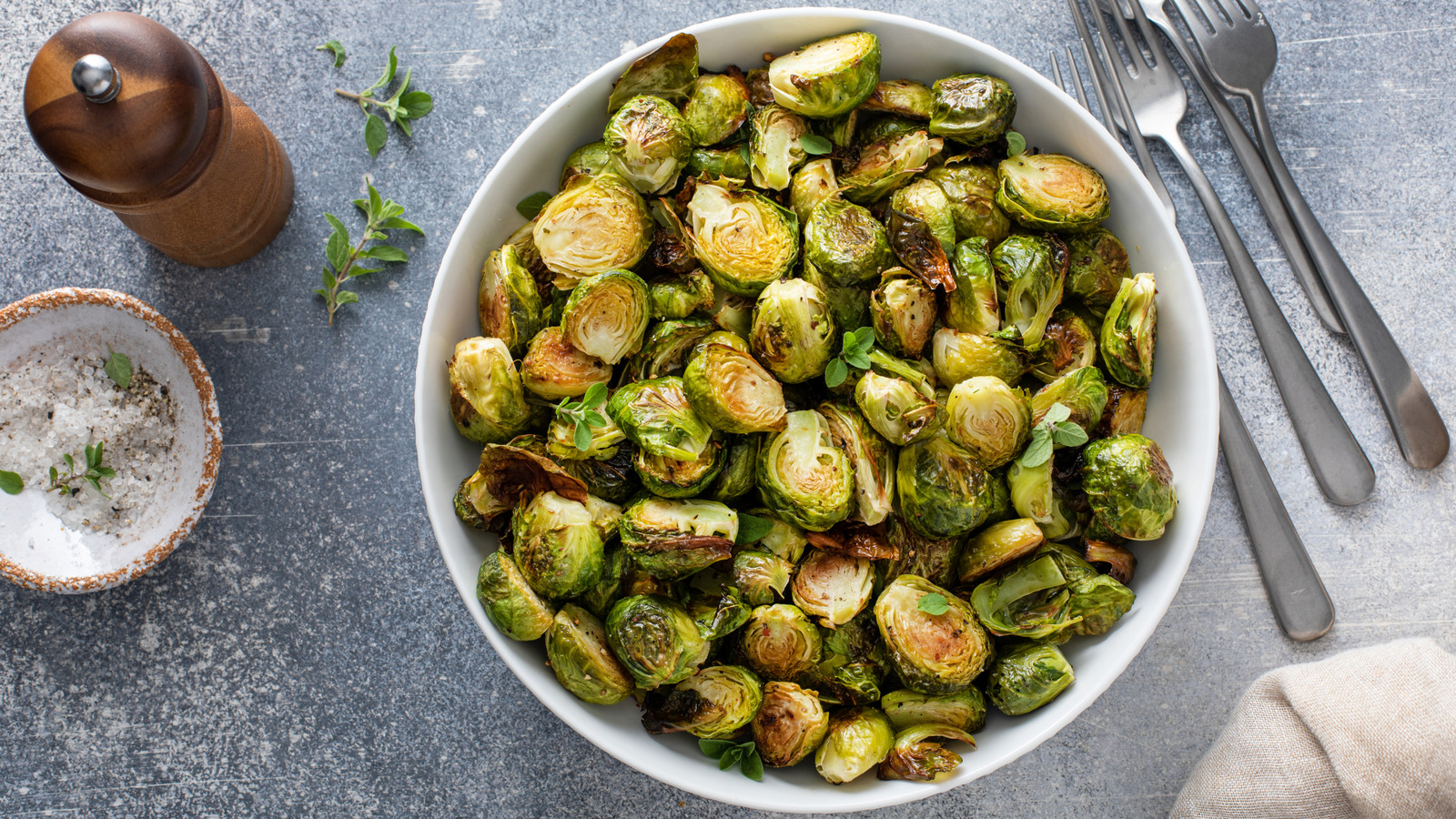
"While they used to be more maligned, in the 2000's, scientists and farmers selectively bred out a compound that caused the vegetable to be bitter, and this improved version of the sprouts, combined with more modern cooking methods other than boiling or steaming, brought new life to the formerly scorned vegetable. One of our writers challenged herself to make Brussels sprouts in eight different ways, and one of those methods was a clear winner."
"Braising, which is commonly seen when working with meats, begins by searing the Brussels sprouts over high heat - ideally cut-side down to get the most caramelization on the largest surface area. After the Brussels sprouts have been nicely browned, a liquid like stock, wine, water, or a combination of those is added to the skillet to partially submerge the vegetables while they cook."
Brussels sprouts were bred in the 2000s to remove a bitter compound, improving flavor and acceptance. Modern cooking methods beyond boiling or steaming further enhanced their appeal. Braising works by searing sprouts cut-side down over high heat to caramelize, then adding stock, wine, water, or a combination to partially submerge them and cook until tender; covering the skillet traps moisture or the pan can be finished in the oven. Braising yields a soft interior with flavorful, caramelized exterior leaves. Frying produces crisp, charred exteriors but is less healthy and less practical at home, while air frying produces pliable interiors with crisping results.
Read at Tasting Table
Unable to calculate read time
Collection
[
|
...
]