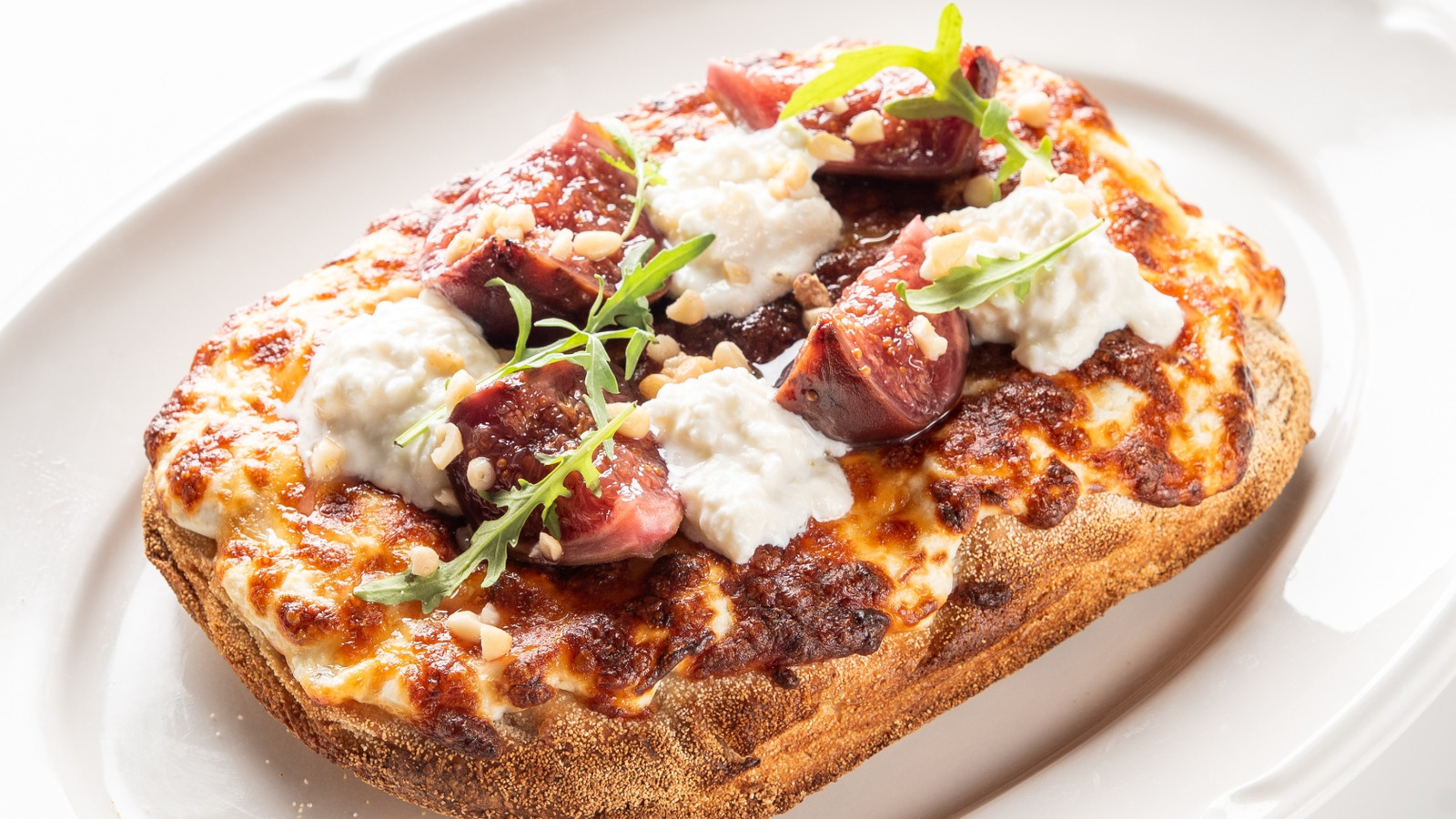
"Cooked under high heat, it may become more sauce-like than before, but you never really get that full-blown melt that typical cheeses offer. Neither lusciously smooth nor brittle, it softens into creamy, lumpy curds instead. Woven into that unique texture are the flavors, which are much more fascinating now that they're delivered through creamy and chewy bites. Little pops of milky goodness spread across the warmed base, decadently soaking up the tomato sauce and any other seasoning that you use."
"Mozzarella supplies that milky, melty stretch. Parmesan adds a tangy, pungent sharpness. Provolone or ricotta comes with a flair of sophistication. Wonderful as they may be, sometimes, the only cheese you have sitting in the fridge is leftover cottage cheese, so that's what gets sprinkled onto the dish. Two protein-rich meals ago, this ingredient was a total gem, but can it still be the same thing for your homemade pizza? The answer is a surprising, resounding yes."
Cottage cheese functions as a distinctive pizza topping that melts differently than typical pizza cheeses. Under high heat, it becomes more sauce-like and softens into creamy, lumpy curds instead of forming a smooth, stretchy melt. Its mild flavor allows it to soak up and complement tomato sauce, herbs, garlic, spicy meats, and chili peppers. Blending cottage cheese with spices and herbs before spreading can smooth its texture and enhance flavor. Choosing full-fat cottage cheese yields a smoother, less clumpy result than low-fat versions. Cottage cheese also works well on pizza toast and other pizza variations for added protein.
Read at Tasting Table
Unable to calculate read time
Collection
[
|
...
]