"There was no central heating, and the grownups were reluctant to turn on the heat. "It's gonna dry you out," my grandma would say. But I knew she was just worried about the electricity bill. Maybe that's why we looked forward to hot pot days. With a cauldron of broth boiling for hours, the dining room filled with warmth and a delicious aroma. My clothes were permanently marinated in the scent."
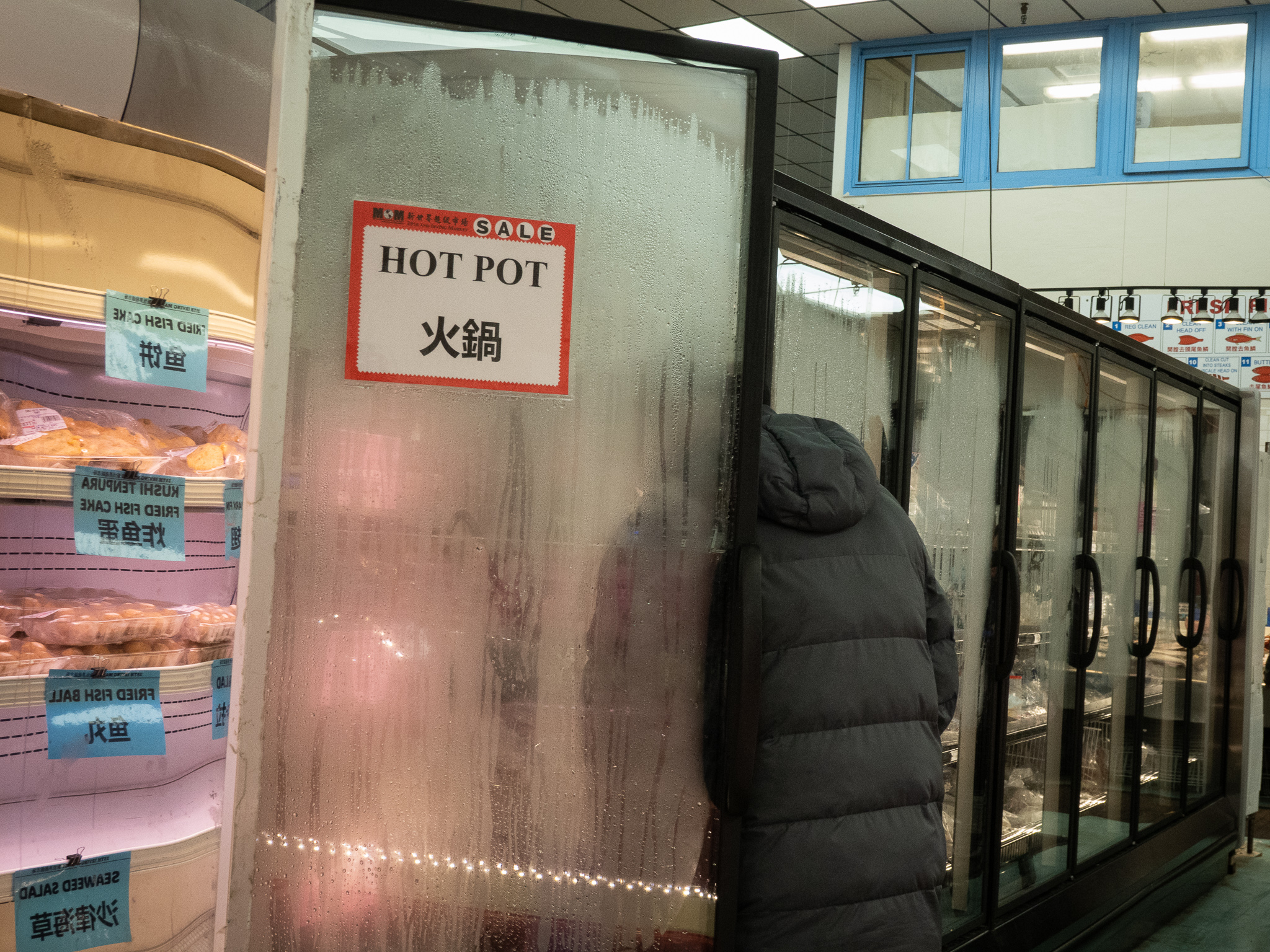
"And in San Francisco, I was lucky to have access to Chinese grocery stores where I could get just about everything I needed. On the Tuesday before Christmas Eve, despite the rain, Irving Street in the Sunset was bustling with Chinese elders buying ingredients for a big Christmas meal - and, just by glancing at their shopping carts, I could tell many were having hot pot."
"There is little pressure to time everything so that each dish is brought to the table warm, and no need to chill anything overnight in the fridge. And it's great for a group: It's both a meal and an activity. Everyone has something to do while eating: Scraping daikon slices or enoki mushrooms into the boiling water, scooping beef out before it overcooks, and chatting while you wait for the food to cook."
Early childhood in Zigong featured cold, humid winters with no central heating and grownups reluctant to turn on heat for cost reasons. Hot pot provided a source of warmth and lingering aroma as a cauldron of broth boiled for hours and family meals stretched on with breaks. Chinese hot-pot soup bases like Haidilao are available in the U.S., and San Francisco Chinese grocery stores supplied necessary ingredients. Irving Street shoppers prepared hot-pot ingredients before Christmas. Hosting hot pot requires little timing, doubles as an activity, and fits birthdays, reunions, and other celebrations.
Read at Mission Local
Unable to calculate read time
Collection
[
|
...
]