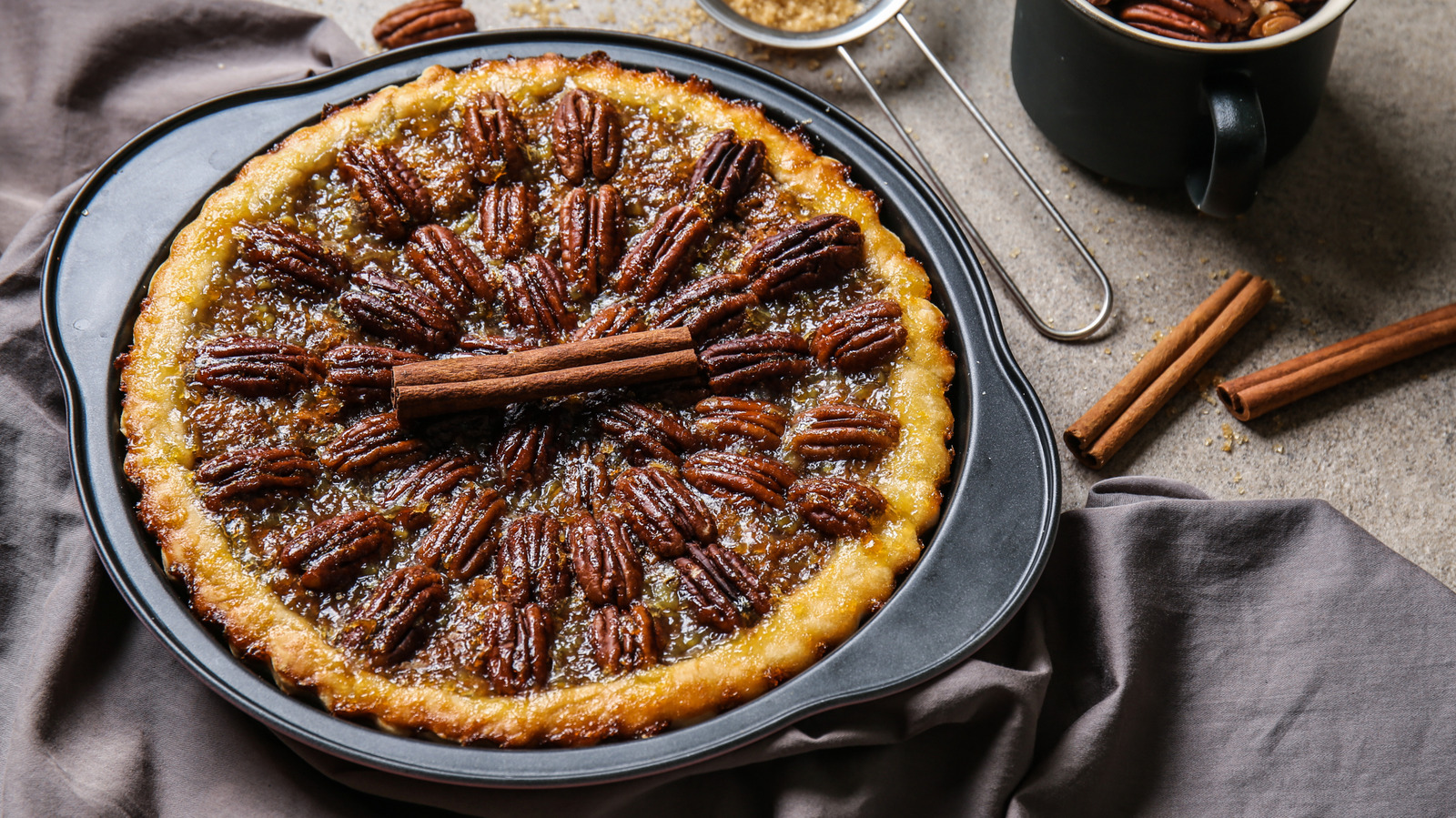
Metal pans heat quickly and evenly and produce the crispiest bottom crust, making them ideal for flaky, fruit-based pies. Glass pans heat more slowly but allow visual monitoring of the bottom to prevent burning or underbaking. Ceramic retains heat well and suits pies requiring long bake times but can yield a pale crust if baked too gently; placing the dish closer to the heat source helps deepen color. High-quality nonstick metal pans work best for most bakers. Pan dimensions matter: using a smaller dish can cause overflow, while a too-large pan creates a shallow pie that bakes faster; a standard recipe assumes a 9-inch, 1¼-1½-inch deep pan.
"Cianfanelli pointed out pros and cons for popular materials, saying, "Metal produces the crispest bottom crust, while glass helps you double-check the browning, but heats slower. Ceramic retains heat well, but can produce a pale-looking crust if baked too gently." Baking a pie in an aluminum pan produces a crispy crust because the metal heats up quickly and evenly. The bottom won't have a chance to sog up, instead turning golden-brown from edge to center - perfect for flaky, fruity bakes like lemon blueberry pie."
"That said, viewing the pie through a clear glass pan is an asset for anxious cooks, as it can help you prevent burnt or underdone bottoms. Ceramic is best for pies that need a long baking time, which could overcook in a metal or glass pan (see classic pecan pie). To prevent an overly pale crust, try placing the dish close to the heat source in your oven. Once you've settled on a material, it's time to consider pan sizes."
Read at Tasting Table
Unable to calculate read time
Collection
[
|
...
]