"Aluminum foil is often referred to as tin foil, which is a misnomer. Specifically, the term is a holdover from over 100 years ago, when foil was in fact made of tin. Aluminum foil took over by the middle of the 20th century, but the old name stuck. Now there are countless aluminum foil brands, and it's the kind of product that is so ubiquitous and essential that you don't even think about just how useful it is."
"Something so widespread and used for so many things is bound to end up with some misconceptions attached to it (for one, did you know you can put aluminum foil in the microwave?). It's also going to have some uses that people do not know about. Aluminum foil may keep your messes and spills at bay, but you are probably still making some mistakes in how you use it. Here are the ones you should avoid."
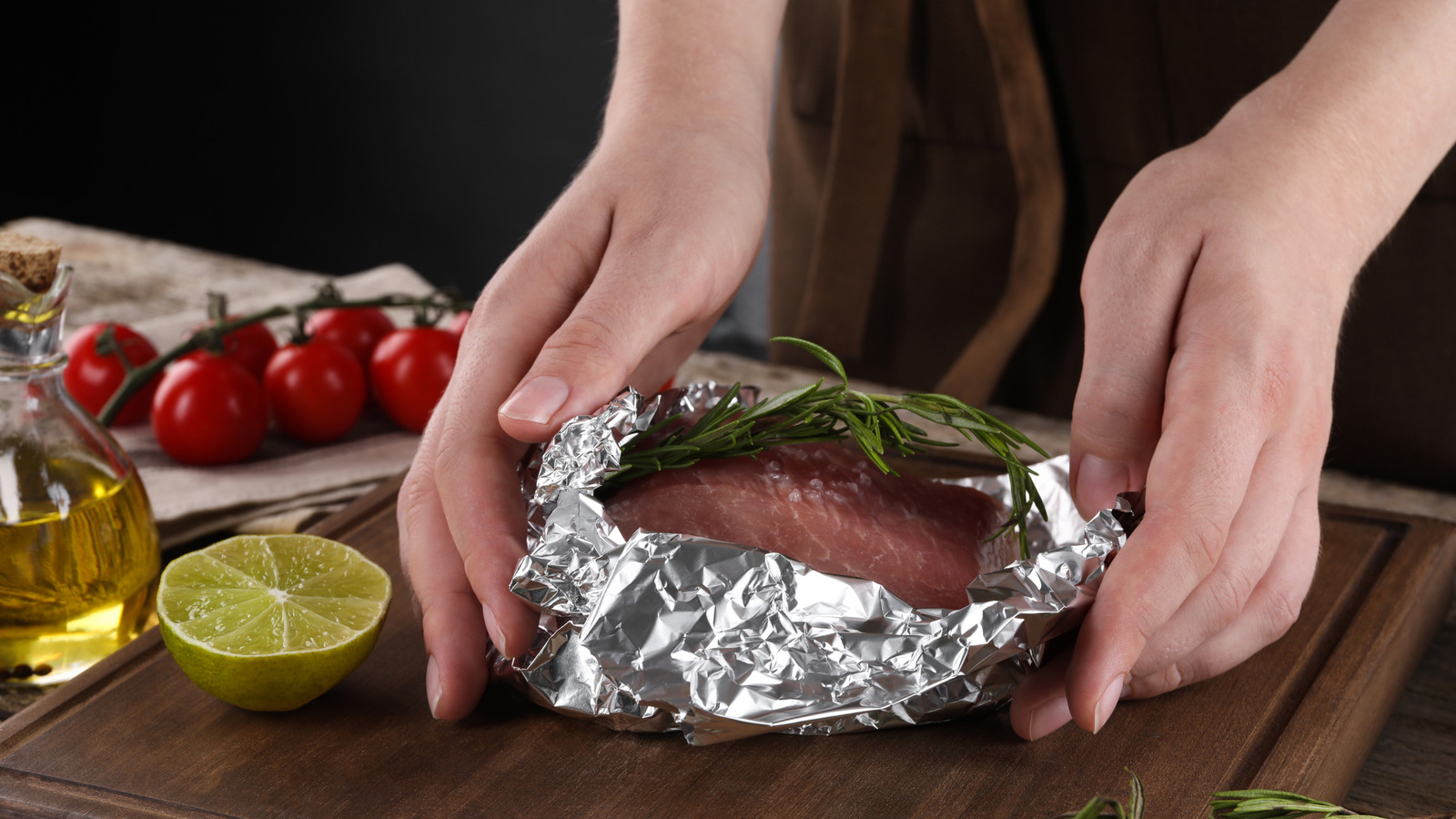
"Not using it as a cooking vessel Tin foil can do more for you in the oven than cover the bottom of a pan or top a casserole. Take, for example, the moment a Reynolds Wrap sales rep wrapped his Thanksgiving bird in tin foil, cementing the company's fledgling product, which was primarily utilized to line packages like cigarette boxes, would become a kitchen staple."
Aluminum foil originated as tin foil and the old name persisted after aluminum replaced tin by the mid-20th century. The product is ubiquitous and often taken for granted in kitchens. Foil can be used as a cooking vessel: vegetables, proteins, and herbs can be roasted in foil packets, cloves of garlic can be wrapped and roasted, and shaped foil can mimic a roasting rack. Aluminum foil was not initially invented for food and has many nonfood household applications. People commonly misunderstand safe and effective foil use, and typical mistakes in handling and application reduce its usefulness.
Read at Tasting Table
Unable to calculate read time
Collection
[
|
...
]