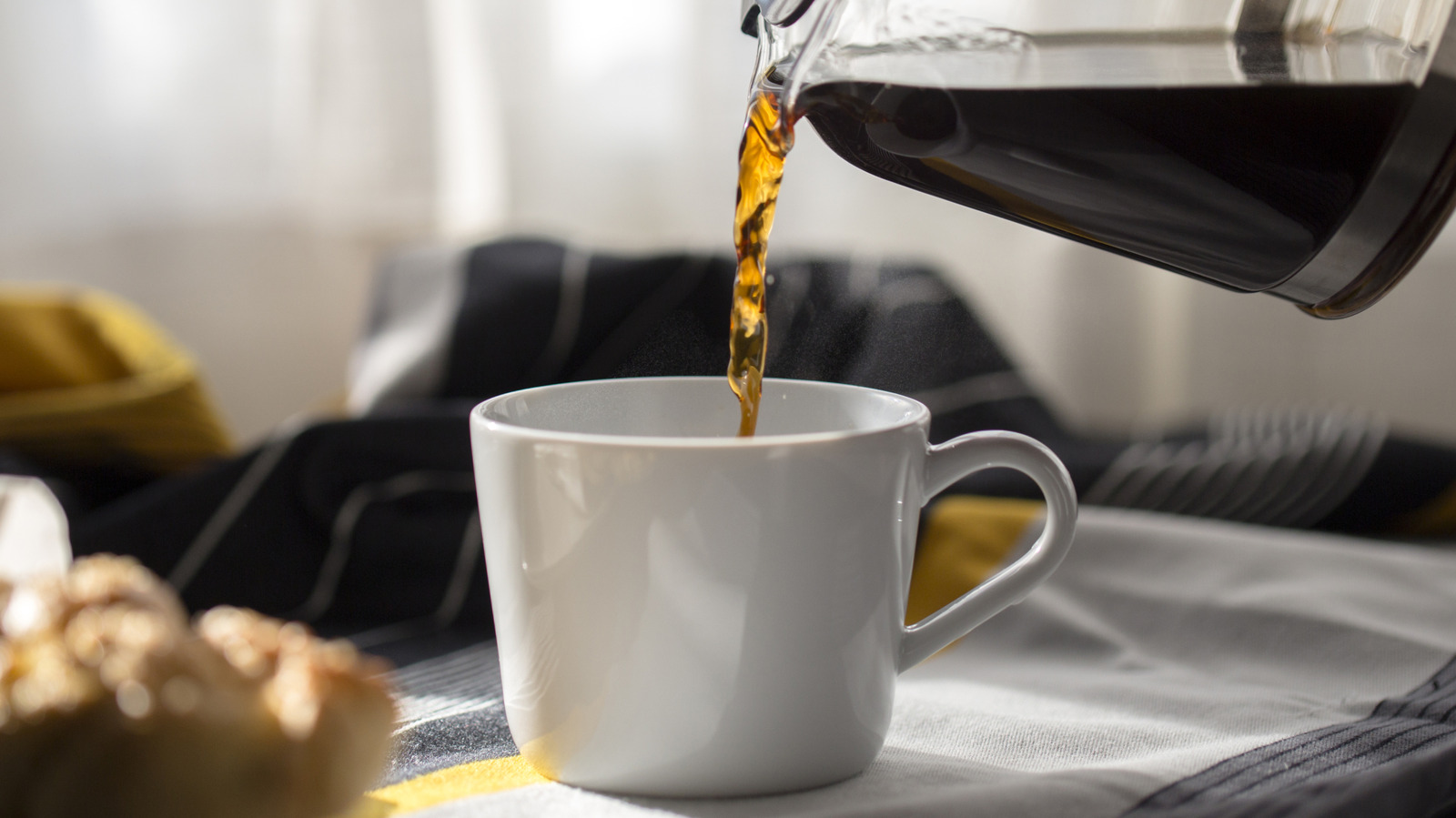
"As soon as the coffee is brewed, the chemical composition starts to change. Almost instantly, aromatic oils that are responsible for the smell and flavor notes in coffee begin to evaporate. Bright, floral, and citrussy aromas go first, leaving the balance more bitter or sour."
"Oxidation is the key component in flavor loss, or more specifically, a change in flavor. Coffee contains around 1,200 chemical compounds responsible for the taste alone, and many of these are volatile, breaking down easily when exposed to oxygen. One particular culprit is chlorogenic acid, which will convert to the more bitter-tasting caffeic acid and quinic acid during oxidation."
"Temperature plays a part in how coffee tastes, but it can be both a positive and negative influence. Our tastebuds are more receptive to sweet flavors at warmer temperatures, and more responsive to bitterness at cooler temperatures, which is one reason room temperature coffee tastes so bad."
Coffee begins losing flavor immediately after brewing as aromatic oils evaporate, with bright, floral, and citrusy notes disappearing first and leaving bitter or sour tastes. Oxidation is the primary cause of flavor degradation, as coffee contains approximately 1,200 chemical compounds that break down when exposed to oxygen. Chlorogenic acid converts to more bitter-tasting caffeic acid and quinic acid during oxidation. Temperature significantly influences taste perception, with warmer temperatures enhancing sweetness and cooler temperatures amplifying bitterness, explaining why room temperature coffee tastes unpleasant. Higher heat accelerates both oxidation and aromatic loss. Simple methods like preheating mugs can help preserve coffee flavor longer.
#coffee-flavor-degradation #oxidation-chemistry #aromatic-compounds #temperature-effects-on-taste #coffee-freshness
Read at Tasting Table
Unable to calculate read time
Collection
[
|
...
]