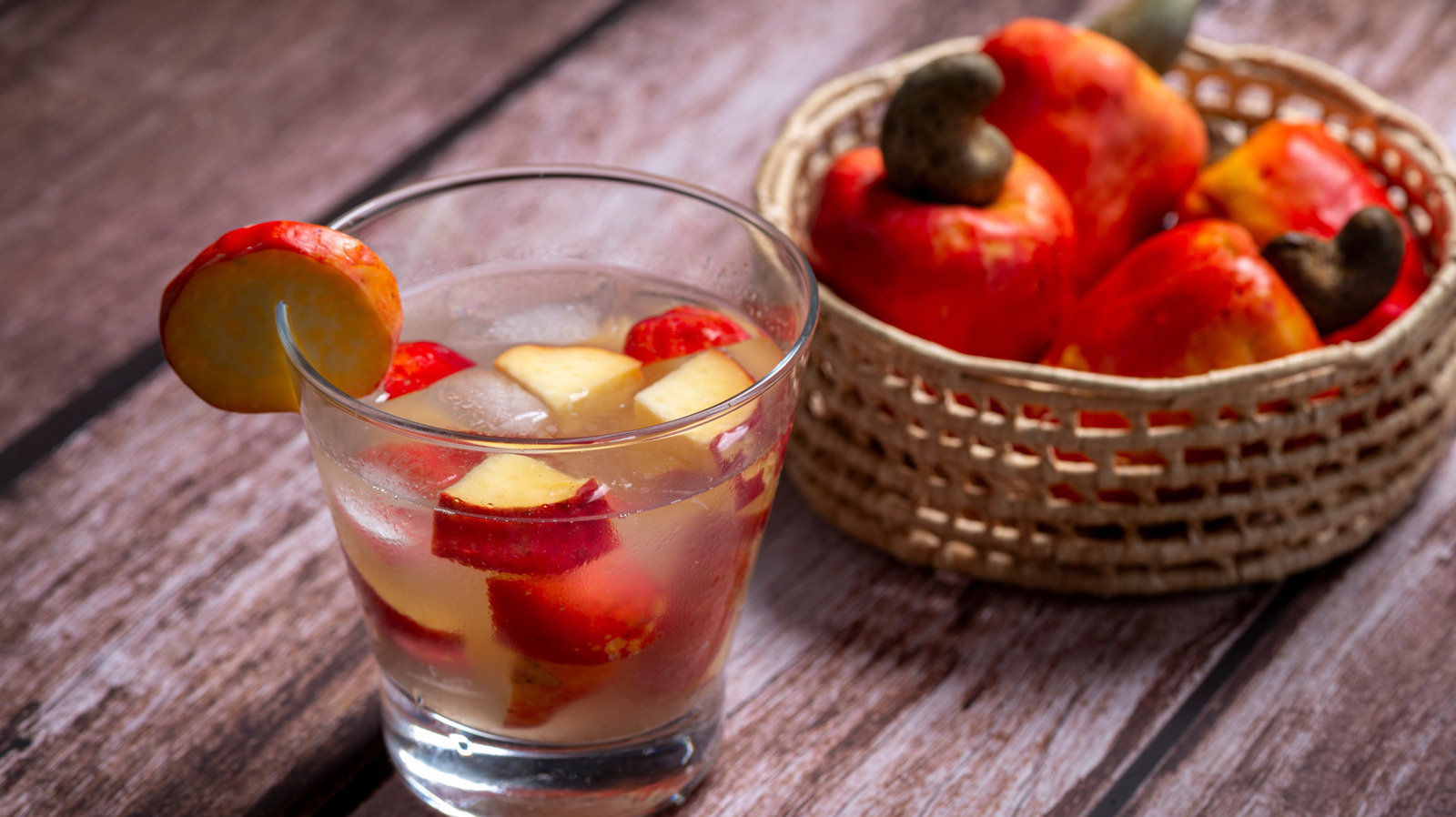
Cachaça is a fascinating sugarcane spirit and Brazil's national drink that differs from rum through its production method and flavor profile. Made from fresh-pressed sugarcane juice rather than molasses, cachaça offers a brighter, more vegetal, and aromatic taste. Brazilian law enforces strict regulations for cachaça production, yet significant diversity exists due to regional sugarcane varieties and unique local woods used in aging. Unaged cachaça presents vibrant, grassy characteristics, while aged versions develop complexity through barrel interaction, acquiring notes of cinnamon, clove, caramel, and toasted wood. The spirit's history intertwines with Brazil's colonial past and the country's complex relationship with sugarcane cultivation and slavery.
"Cachaça is typically made from molasses and distilled directly from fresh-pressed sugarcane juice, which gives it a much brighter, more vegetal, and aromatic flavor profile. In order to be sold as cachaça, Brazilian law requires strict regulations. Even so, there is an astonishing diversity of cachaça available because producers use regional varieties of sugar cane, along with unique local woods, for the aging process."
"The spirit can range from vibrant and grassy when unaged to deeply complex when aged in wood. When aged, cachaça interacts with the wood of the barrel to release compounds like vanillin, tannins, and natural sugars and introduce notes of cinnamon, clove, caramel, and toasted wood, while rounding out the more assertive grassy qualities of fresh cachaça."
"Cachaça became Brazil's national drink, as its origins are deeply entwined with the country's own historical struggles with colonialism and slavery. Sugar cane has been grown in Brazil since 1532, when the country first came under the control of Portugal. Originally, the drink was used by Brazilian slaves working in sugar cane mills."
Read at Tasting Table
Unable to calculate read time
Collection
[
|
...
]