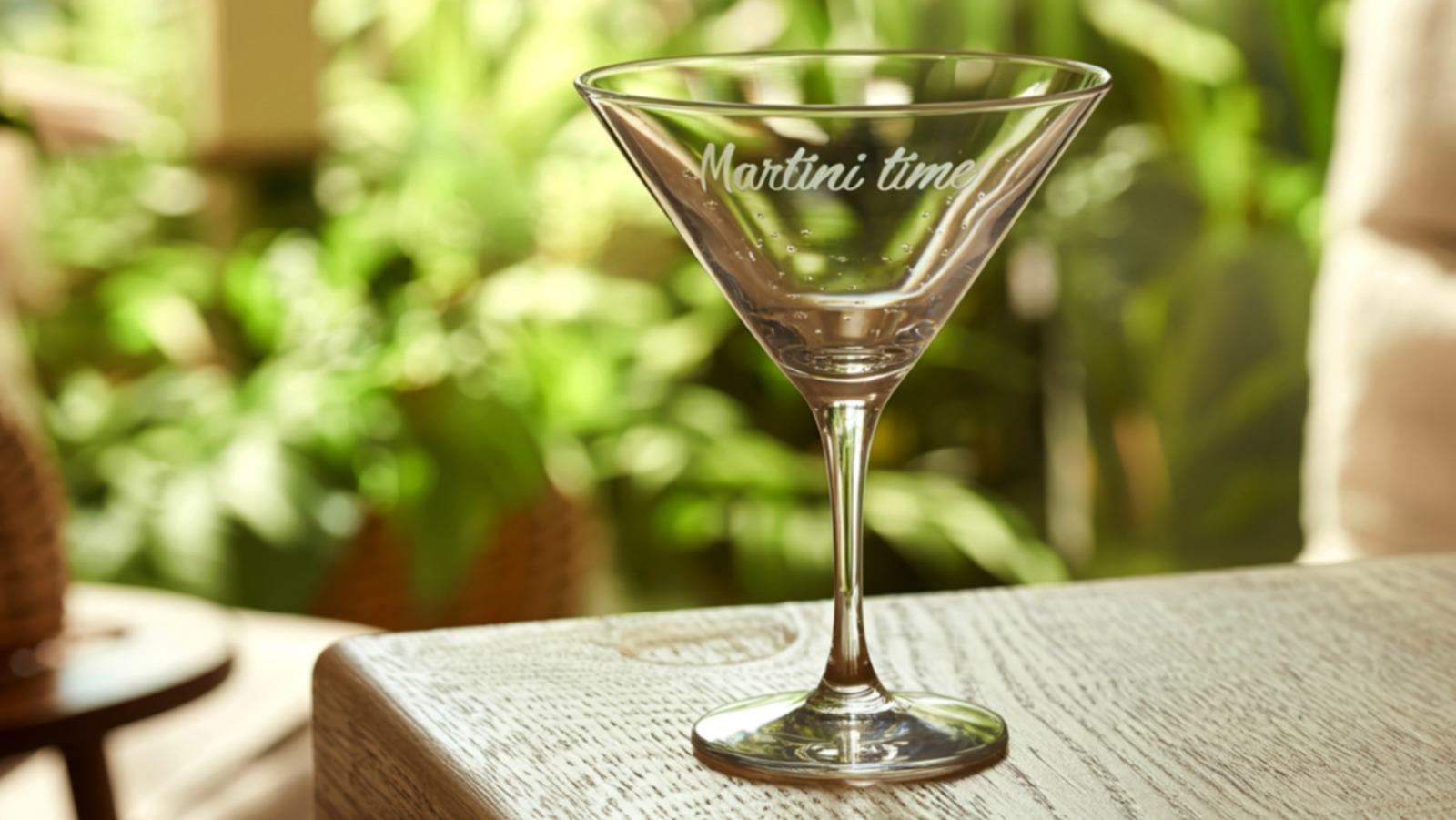
"You'll first notice a change in flavor. Vermouth - a mixture of fruity wine and botanicals - will rise to the top of your palate revealing itself to be complex, spicy, and with a slightly bitter tang. Typically, these flavors are buried under a mountain of gin, so a reverse martini's actually a pretty good way to get to know vermouth."
"Think of the last time you went to a party and ordered regular martinis. How many did you manage to sit through before you had to cut yourself off? Two, maybe three? After that, your evening becomes more focused on damage control rather than actual enjoyment - a shame for a drink that's supposed to be sophisticated and social. The reverse martini won't demolish you. You can pace yourself through an entire dinner party or holiday gathering thanks to its lighter weight."
Reverse martini flips the classic two-to-one gin-to-vermouth ratio to two parts vermouth and one part gin, creating a lower-alcohol cocktail. Vermouth's fruity wine and botanical qualities become prominent, offering complex, spicy, and slightly bitter notes. Dry vermouth yields a crisp, clean drink; sweet vermouth produces a softer, more approachable sipper. Olive garnish adds savory depth while a lemon twist brings brightness. The lower ABV (around 20–25%) lets drinkers pace through dinners or gatherings without intoxication dominating the evening. The style serves as a way to explore vermouth as a primary flavor rather than a supporting ingredient.
Read at Tasting Table
Unable to calculate read time
Collection
[
|
...
]