"In Formula One, grip is everything. The world's best engineers devote their careers to designing cars that maximize downforce and grip to squeeze every bit of performance out of a set of four humble tires. These cars punish their drivers by slinging them at six Gs through corners and offer similar levels of abuse in braking. It's all wildly impressive, but I've long maintained that those drivers are not the ones having the most fun."
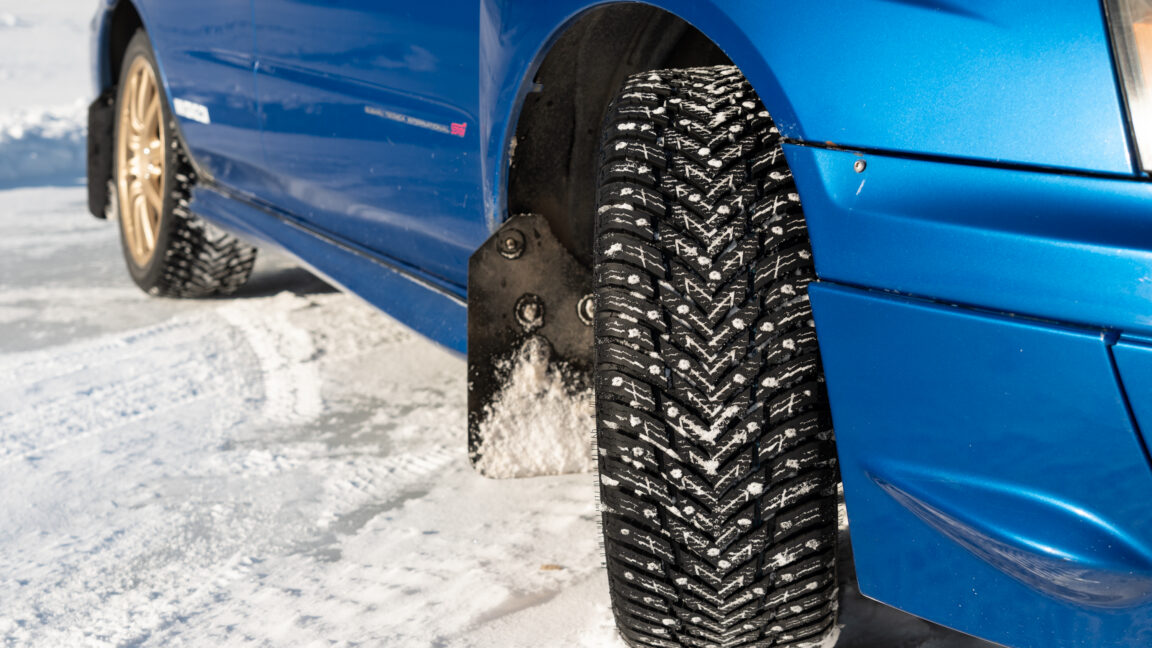
"When it comes to sheer enjoyment, grip is highly overrated, and if you want proof of that, you need to try ice racing. Should you be lucky enough to live somewhere that gets cold enough consistently enough, all you need is a good set of tires and a car that's willing and able. That, of course, and a desire to spend more time driving sideways than straight."
"There are certainly plenty of professionals out there who have dabbled in or got their start in ice racing, F1 legend Alain Prost and touring car maestro Peter Cunningham being two notable examples. And a European ice racing series called Trophée Andros formerly challenged some of the world's top professionals to race across a series of purpose-built frozen tracks in Europe and even Quebec."
Ice racing emphasizes low grip and controlled sliding as the source of driving fun rather than high downforce and extreme cornering Gs. The discipline is largely amateur today, with formats like time trials and autocross-style events on ice providing accessible entry points. Participants typically need consistent cold weather, appropriate tires, and a reliable car that can handle sustained sideways driving. Historically, some professionals and dedicated series have competed on ice, but most modern competitors pursue ice racing for enjoyment, camaraderie, and modest trophies rather than major financial rewards or widespread recognition.
Read at Ars Technica
Unable to calculate read time
Collection
[
|
...
]