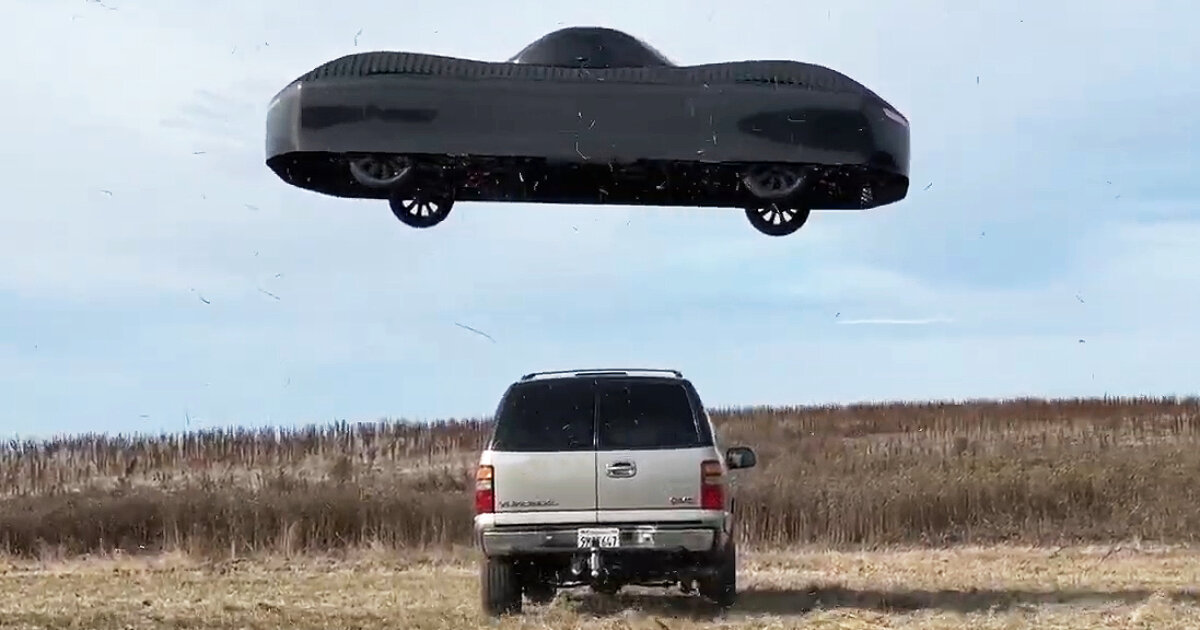
Alef Aeronautics has begun hand-assembling limited-production Model A Ultralight flying cars at its Silicon Valley facility, with only a small number of early customers slated to receive the first units. Each vehicle requires months to complete, using robotic systems, industrial machines and hand assembly, and undergoes piece-level tests and test flights before delivery. Early customers will receive training and operational checks while the company monitors compliance with safety and regulatory requirements. The Model A features Distributed Electric Propulsion, up to eight layers of backup systems, thousand-point real-time diagnostics, obstacle detection, automatic avoidance, glide-landing mode and a full-vehicle ballistic parachute. The vehicle can drive on roads, take off vertically without a runway, and is fully electric.
"The production process takes time because the dubbed world's first flying car goes through thorough steps, with its parts being built by robotic systems, industrial machines, and hand assembly. Each car needs months to complete, with tests necessary on each piece, including test flights, to ensure safety after the build. This helps the team improve the design before the shift to larger-scale manufacturing in the future."
"So far, the Model A comes with Distributed Electric Propulsion, meaning the power system is split across several units to prevent failures. The car also includes up to eight layers of backup systems for key components as well as real-time checkups on a thousand points of diagnostics. It also features an obstacle detection system, automatic avoidance, and a glide landing mode, as well as a full-vehicle ballistic parachute installed for emergency use."
Read at designboom | architecture & design magazine
Unable to calculate read time
Collection
[
|
...
]