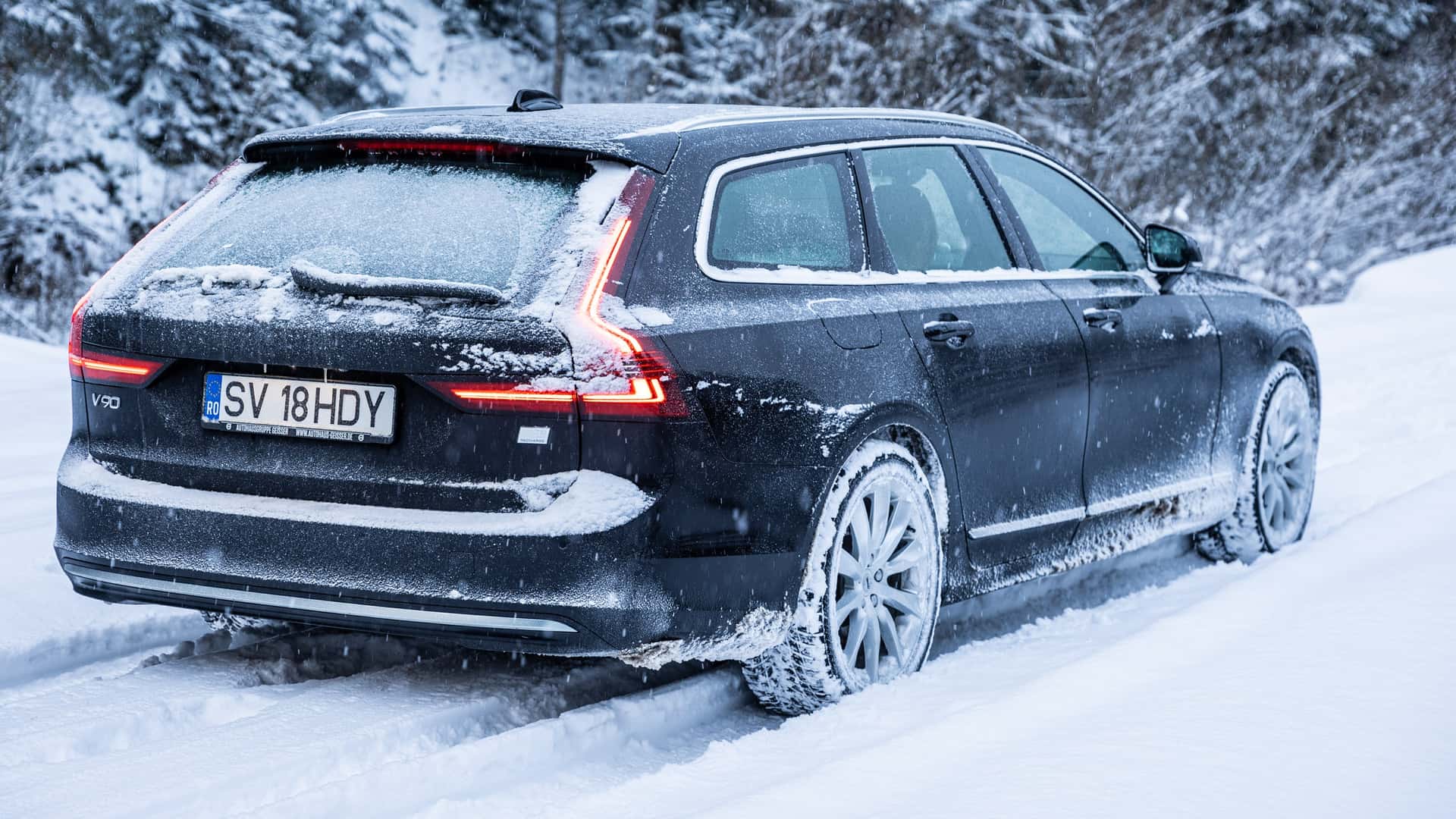
"Take one look at the new Volvo ES90 and something appears off. It's neither a traditional fastback nor a coupe-like crossover. It's somewhere in between, and the way it looks (specifically its height) is partly a design choice, and partly dictated by its platform. But Volvo says its new platform allows it to finally built low-to-the ground EVs, which means it could finally build a proper battery-powered wagon."
"The SPA2 platform on which the ES90 is built makes it difficult to build a true sedan or wagon. This is because SPA2 is a derivative of a combustion car platform. That comes with packaging limitations. It also underpins the Volvo EX90, the electric equivalent of the XC90 and the Polestar 3 crossover. This packaging issue likely led to the Polestar 5, a low-slung Porsche Taycan rival, being built on a bespoke platform called PPA (short for Polestar Performance Architecture)"
Volvo's SPA2-derived EVs have packaging limitations inherited from combustion-car platforms, producing higher floors and raised rear-seat positions that compromise interior space and knee room. The ES90's height reflects both styling and platform constraints. The new SPA3 is a dedicated EV architecture that enables a lower, sleeker body and relocates passenger footwells off the battery, allowing lower rear-seat positions and improved legroom. That change could enable a true battery-electric wagon to replace the discontinued V90. The Polestar 5 used a bespoke PPA platform because SPA2 could not achieve the low-slung proportions desired.
Read at insideevs.com
Unable to calculate read time
Collection
[
|
...
]