"Obviously, Goldfinger was before my time. I was only about six when that came out. But it's a beautiful car, and James Bond made it an iconic car, a legendary car. It went on to many James Bond films. I think that the marriage between Aston Martin and James Bond was sealed in that early film, and stood us in good stead for the rest of the series."
"I did the Batman trilogy with Christopher Nolan. I started looking through on the internet to see when the first Batmobile was, and I couldn't get a direct answer on that. But certainly, the DB5 was one of the first stylish cars to be involved in an action scene with gadgets, which I think really appealed to the audiences in those days."
"I could talk for about four hours about that sequence. I was heavily involved in designing the sequence, myself and Lee Morris and the stunt coordinator. At the start of the story of No Time to Die, Bond, in theory, had retired. Historically, his personal car was the DB5. So it made sense that that was going to be the car that opened the film."
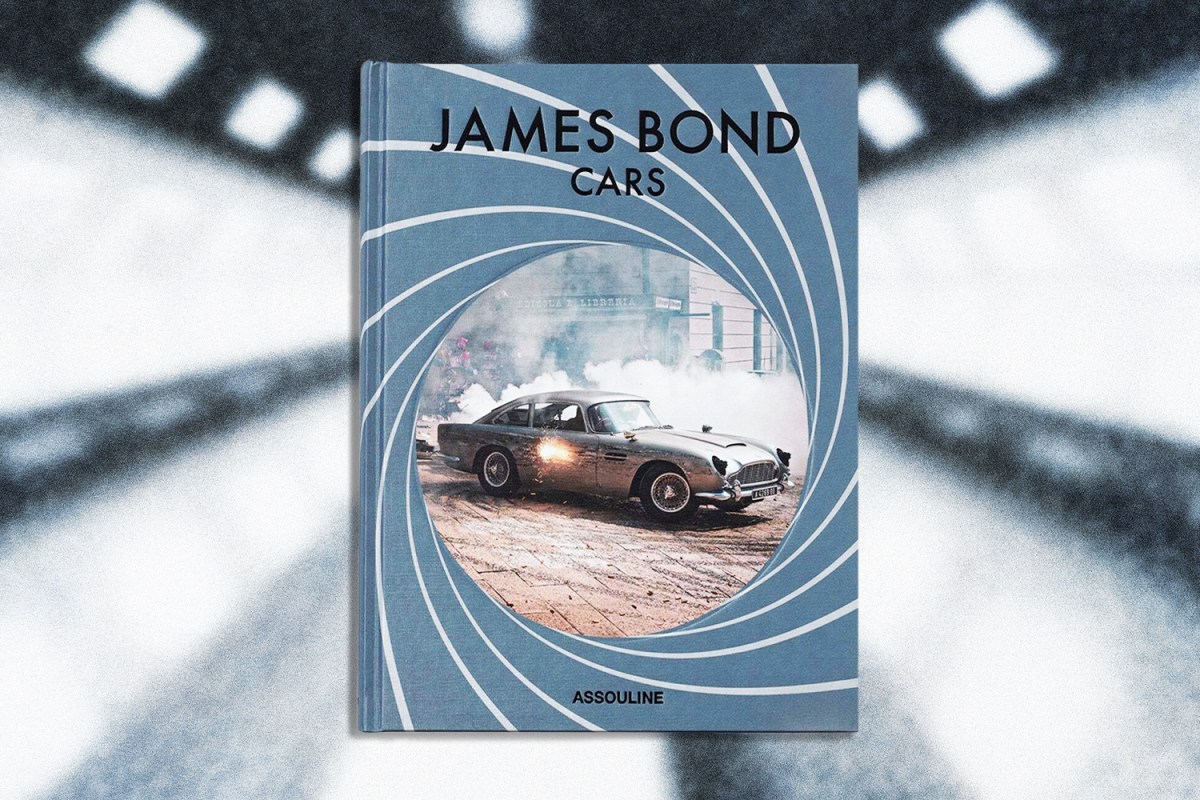
James Bond's on-screen vehicles, particularly the Aston Martin DB5, became iconic through early appearances like Goldfinger and repeated use across multiple films. The DB5 combined style with integrated gadgets, establishing the car as a cinematic action vehicle that appealed to audiences. The DB5's association with Bond reinforced the Aston Martin–Bond connection and influenced subsequent film car choices. The DB5 opened No Time to Die to reflect Bond's historical ownership and retirement storyline. Designing the No Time to Die chase sequence required close collaboration among designers, stunt coordinators, and Aston Martin for car availability.
Read at InsideHook
Unable to calculate read time
Collection
[
|
...
]