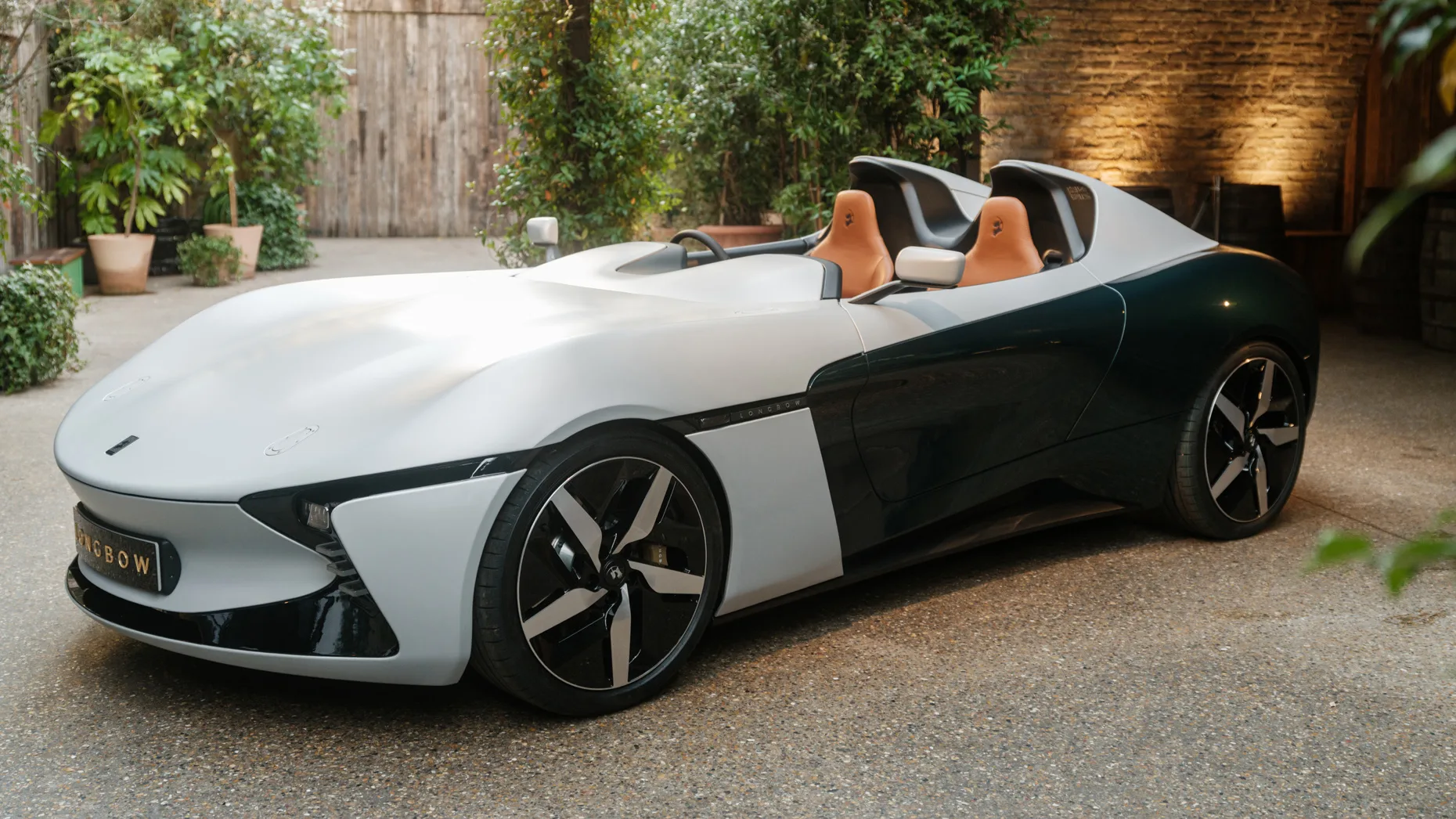
"While most EVs tip the scales at several tons, a new "featherweight" electric sports car weighs half as much-or less-than others on the road. Longbow, the U.K.-based startup behind the sleek EV, plans to bring its first vehicle to market later this year with a limited run of 150 cars, starting at £84,995, or roughly $110,000. A high-performance version of the design is on display at CES this week."
"The company's aim is to reverse the car industry's weight problem-something that's especially an issue for EVs that have large batteries inside. Heavier vehicles have bigger carbon footprints, use more energy, and are more dangerous in a crash for pedestrians. They also wear out roads faster (as well as tires, which spew more microplastic pollution the more weight they carry)."
""A lot of manufacturers will move towards carbon fiber, but it is the single worst material you can use for the environment," says Tapscott. "It breaks easily. It's difficult to maintain. You wear out the car quickly." Instead, the car uses a custom aluminum chassis designed to maximum stiffness while minimizing weight. It also includes natural fiber composites and thermoplastics."
Longbow will launch a lightweight electric Speedster in a limited run of 150 cars later this year, priced from £84,995 (about $110,000). The Speedster weighs around 1,973 pounds, significantly lighter than many current EVs and conventional trucks. Lower vehicle weight reduces carbon footprints, energy consumption, pedestrian danger in crashes, road wear, and tire-generated microplastic pollution. Design choices prioritize low-environmental-impact materials over carbon fiber, using a custom aluminum chassis, natural fiber composites, and thermoplastics to maximize stiffness while minimizing weight. The lightweight approach aims to require smaller batteries and motors and improve overall sustainability.
Read at Fast Company
Unable to calculate read time
Collection
[
|
...
]