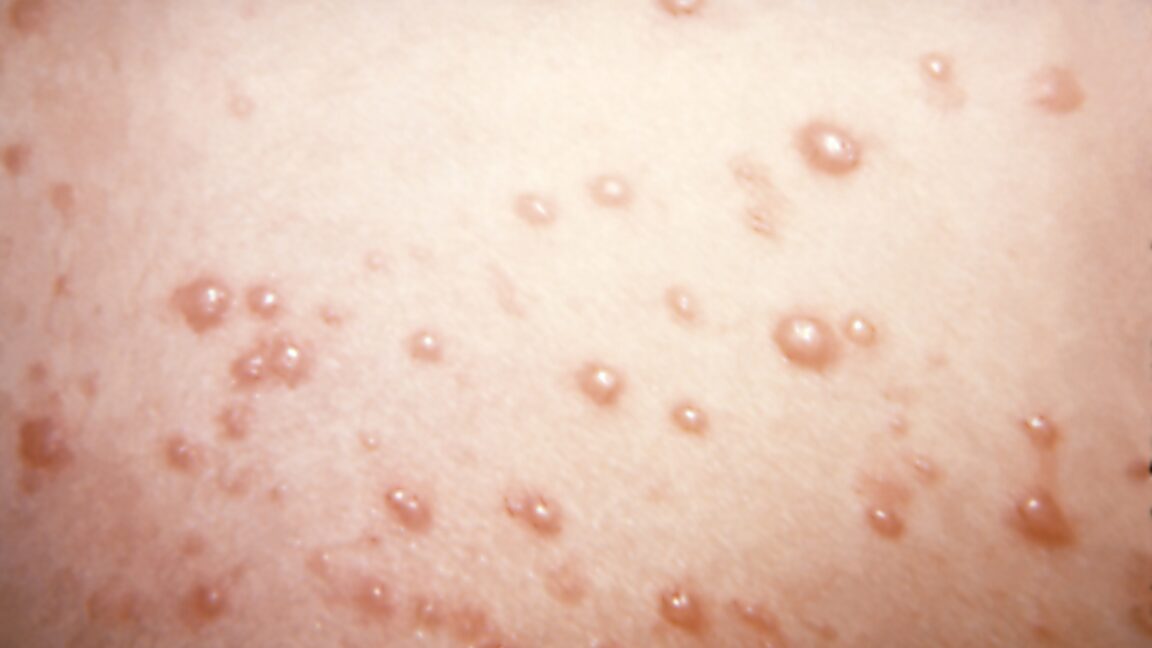
"Keloids form when fibroblasts are more active and produce excessive collagen, leading to uncontrolled tissue growth. This can result in collagen production being 20 times greater than in normal skin."
"The triggers for keloid formation remain unclear, but genetics and environmental factors are believed to play a significant role, with a higher prevalence in individuals with darker skin."
"Treatment for keloids is difficult due to high recurrence rates after surgical removal, which can range from 45 percent to 100 percent, and the risks associated with other therapies."
"Corticosteroid injections are the mainstay treatment for keloids, helping to alleviate symptoms like itching and burning, but successful management often requires a combination of treatment methods."
Wound healing consists of three phases: inflammatory, proliferative, and maturation. Keloids arise when fibroblasts become overly active during the proliferative phase, producing excessive collagen. This abnormal growth is influenced by genetics and environmental factors, particularly in individuals with darker skin. Treatment options for keloids are challenging, with high recurrence rates after surgical removal and potential complications from other therapies. Corticosteroid injections are the primary treatment to alleviate symptoms, but successful management often requires a combination of approaches.
Read at Ars Technica
Unable to calculate read time
Collection
[
|
...
]