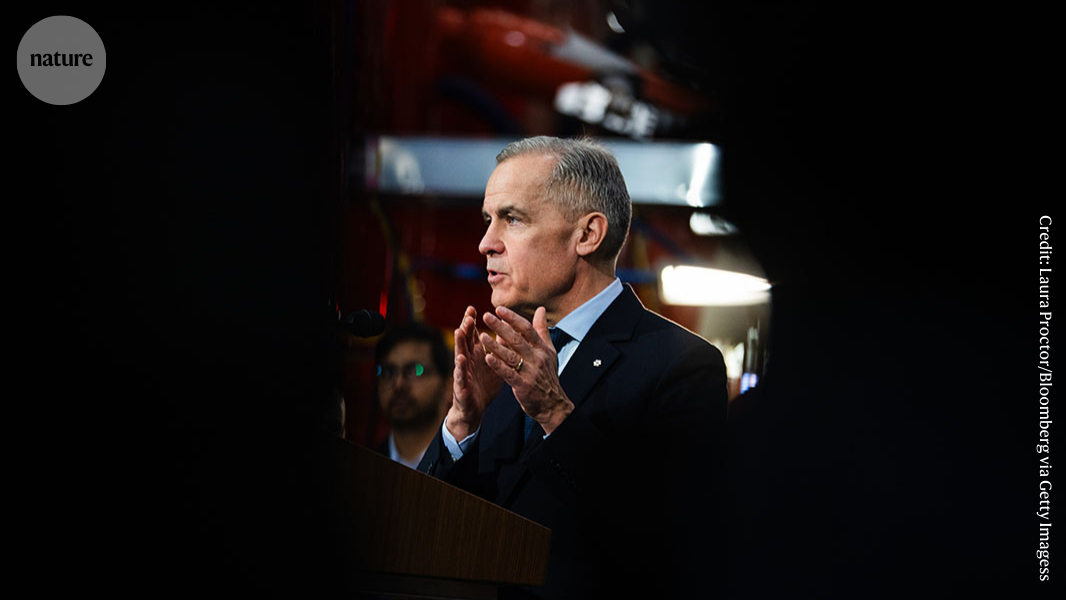
Canada's federal government is investing $1 billion to establish 100 Canada Impact+ Research Chairs (CIRCs) over 12 years, attracting top global researchers to address international challenges. Universities are competing intensely to fill these prestigious, well-funded positions, with most expected to be filled within the first year. The recruitment drive particularly targets US scientists seeking to leave due to policy changes. While the initiative aims to strengthen Canadian research capacity and represents sound economic strategy, the compressed timeline creates a competitive scramble among departments. Early-career researchers and institutional planning are being sidelined as universities prioritize rapid recruitment of established international talent, raising concerns about long-term consequences for academic communities.
"CIRC posts come with excellent resources and generous salaries. But the current round is being filled on an extraordinarily tight timeline. We assume that this is to take advantage of some US scholars' urgency to leave, and to keep pace with other countries hoping to achieve similar results (such as France, which is running a high-profile campaign to lure US scholars)."
"The drive to attract leading international scientists is remarkable, and it seems to be particularly directed at researchers from the United States - many of whom, evidence suggests, are keen to leave because of drastic changes to science and health policies. In many ways, the gold rush is exciting, and, on the face of it, it makes a lot of economic sense."
"Conversations we've had with staff in many academic departments suggest that the approach is landing a long way from thoughtful strategy - it's more like a competitive scramble with little regard for downstream effects."
#research-funding-competition #academic-recruitment #early-career-researchers #canadian-higher-education #international-talent-attraction
Read at Nature
Unable to calculate read time
Collection
[
|
...
]