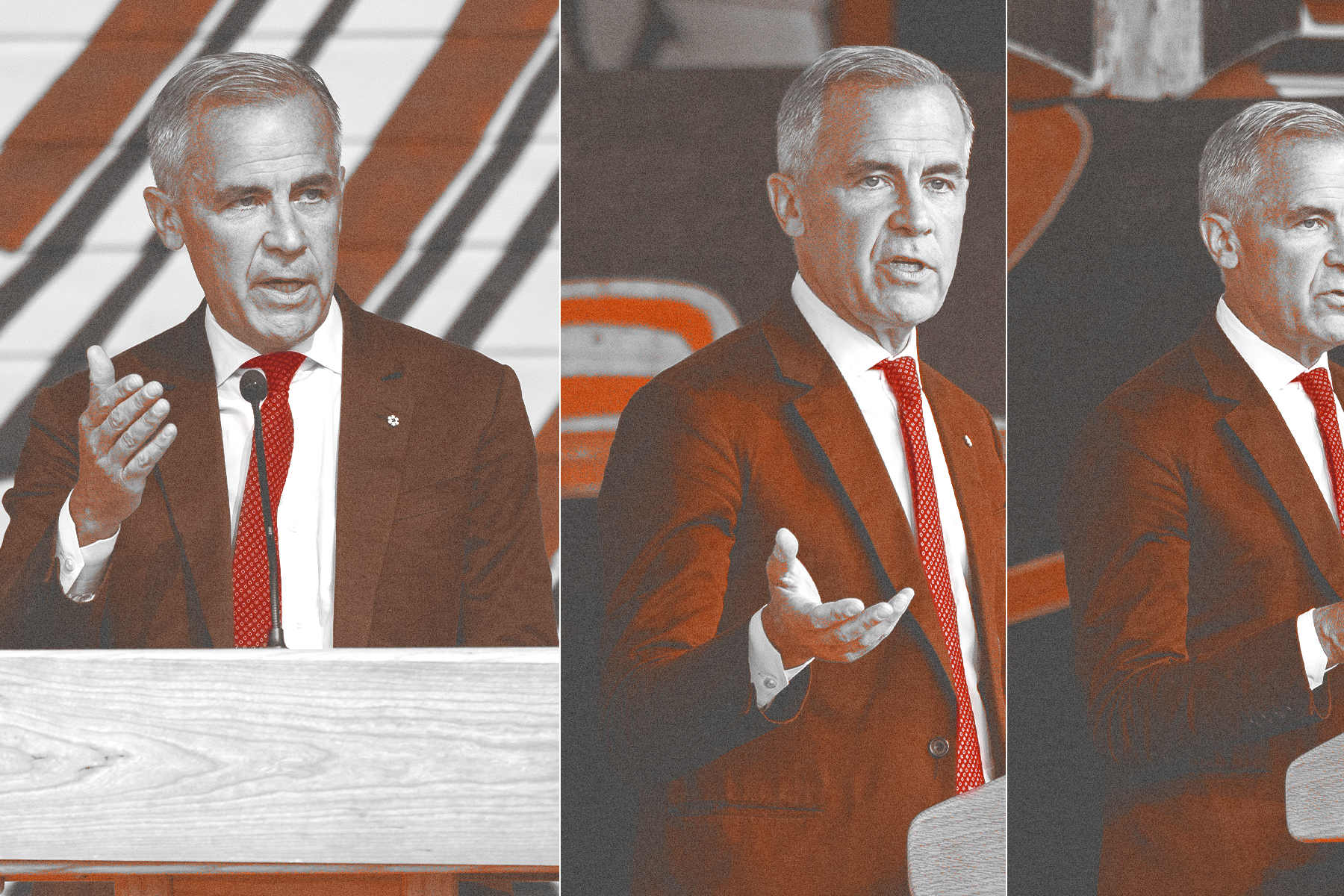
"You first came to my attention in September of 2024 when an investor in the film I co-directed, Sugarcane, told me, "This guy is going to be the next prime minister." I remember the declaration so distinctly because, at the time, that eventuality seemed impossible. Justin Trudeau and the Liberals were trailing Pierre Poilievre and the Conservatives by double digits in the polls."
"At the time, I knew little about you other than that you were a former governor of the Bank of England. In your roles at the Bank of England and the United Nations, you argued that fossil fuel infrastructure, like the controversial oil and gas pipelines ploughed through Indigenous lands across Canada, could become "stranded assets." Or, in normal speak, those projects might become abandoned hulks of ghost infrastructure left to rust until the corporations, or more likely the public, clean up the mess."
"You're bullish on a transition to a clean economy, which suggests you're a leader willing to use the language of economics against one of the most powerful industries in the history of the world. And now, you're trying, with varying degrees of success, to stand up to United States president Donald Trump. You're the kind of politician who, from a distance, looks like he has courage and can be reasoned with."
An individual rose from relative obscurity to unexpected political prominence amid unfavorable polls, once described as a future prime minister. The individual previously served as governor of the Bank of England and held roles at the United Nations, arguing that fossil fuel infrastructure could become stranded assets and advocating a clean economic transition. That stance framed him as willing to use economic arguments against the fossil fuel industry and to confront leaders such as Donald Trump. The individual's budget blueprint proposes $2.3 billion in cuts to Indigenous Services Canada and Crown-Indigenous Relations and Northern Affairs Canada while prioritizing critical minerals, energy corridors, and defence, affecting programs Indigenous leaders view as essential to Truth and Reconciliation like Friendship Centres.
Read at The Walrus
Unable to calculate read time
Collection
[
|
...
]