"W hat to make of a United States which threatens the sovereign territory of an allied democracy? Which invades another country to snatch its head of state and then makes the rest of the regime "an offer it can't refuse" with respect to its oil resources? Where the head of the central bank is subjected to a sham criminal investigation for refusing to let the head of state interfere where the law forbids it?"
"It is almost beyond comprehension, as is the fact that much of the American political and judicial system has simply stood back and let this happen. This is, after all, a system founded on separate but equal branches of government whose primary function is to check one another and prevent the rise of the kind of despotic monarch Americans rejected when they handed in their British citizenship."
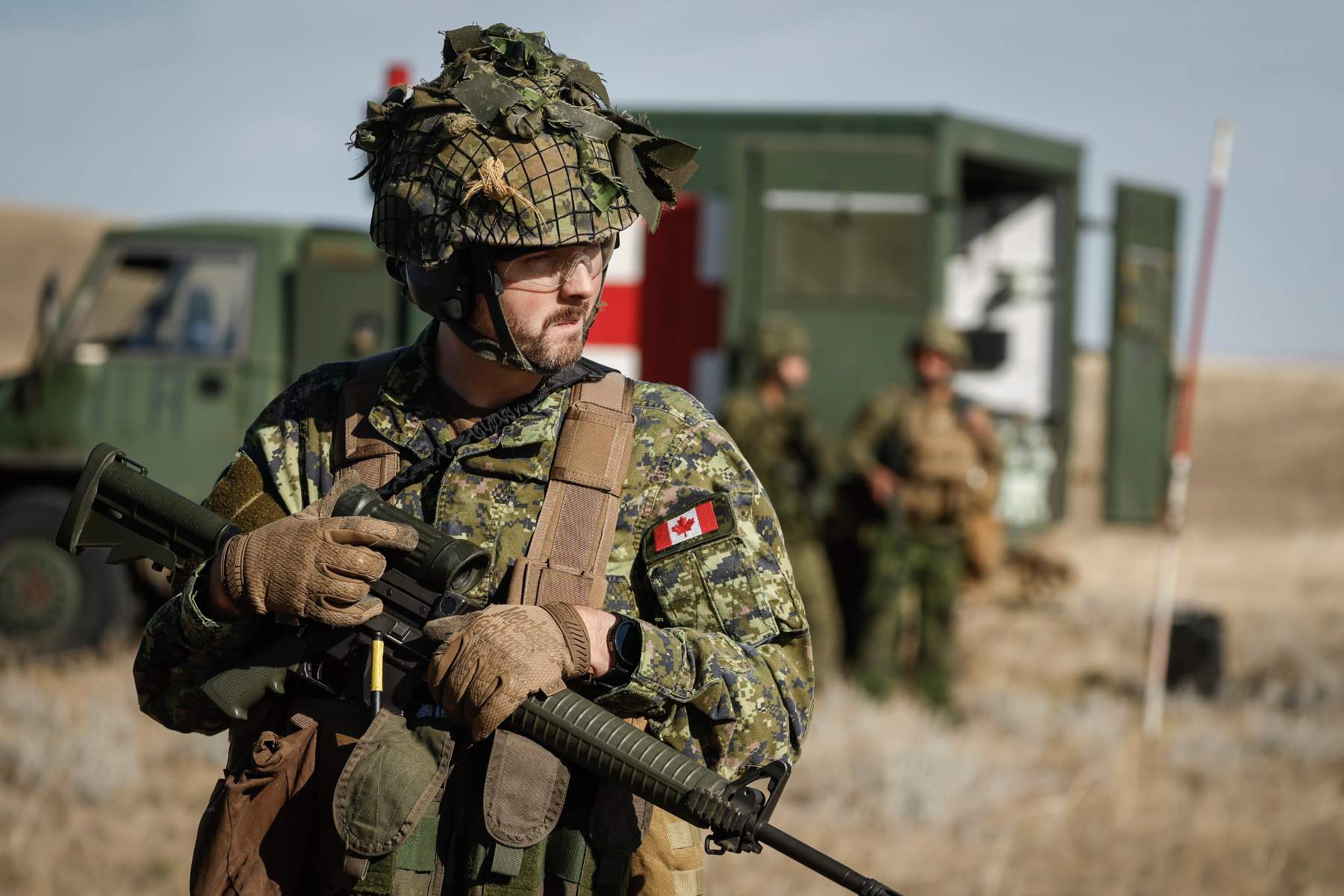
"And so, as President Donald Trump continues his semi-invasion/proxy takeover of Venezuela and keeps threats to Greenland simmering, my thoughts turn to an unsettling question. What would we do if our restive neighbour to the south decided to test, once again, Thomas Jefferson's maxim, propounded in 1812, that taking Canada is "a mere matter of marching"? How would we actually defend ourselves?"
U.S. conduct increasingly undermines democratic norms and international stability. The United States has threatened allied territory, intervened to remove foreign leaders and pressured regimes over oil, and subjected independent officials to sham investigations to permit executive interference. Masked government agents have abducted and violently suppressed citizens without due process, eroding legal protections. Political and judicial branches have largely failed to restrain executive abuses, weakening the separation of powers. Ongoing provocations toward Venezuela and Greenland generate fears of broader aggression and prompt urgent questions about defending neighboring countries such as Canada.
Read at The Walrus
Unable to calculate read time
Collection
[
|
...
]