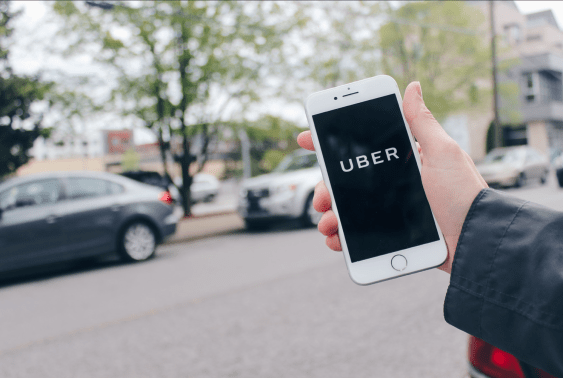
"Rideshare giant Uber Technologies Inc. (Uber) is pushing a ballot measure in California that has ignited fierce debate among trial lawyers, consumer advocates, and public safety advocates - coming at a time when the company is simultaneously under intense legal scrutiny for its handling of rider safety and crash accountability. So far, Uber has put an estimated $12 million into the proposal, which would cap attorney fees and limit certain medical cost recoveries in automobile crash lawsuits."
"Supporters say the initiative would protect Californians from "predatory" practices by some personal injury lawyers and reduce legal costs statewide. Opponents argue it would undermine injured victims' access to justice and reduce accountability for dangerous conduct behind the wheel. One of those opponents is the non-profit Consumer Watchdog, which claimed in a statement that Uber is seeking to "take away injured consumers' right to full medical recovery" and restrict their choice of legal representation on contingency."
"A campaign video released by the watchdog calls the ballot initiative "a license to kill," alleging Uber plans to deploy advanced robotaxi technology in tandem with legal shields that would make it harder for victims to pursue full compensation. So far, the state's leading transportation safety and advocacy groups are holding their fire on the measure. Streetsblog reached out to groups across the state and only heard back from Streets Are For Everyone."
Uber has invested an estimated $12 million in a California ballot initiative that would cap contingency attorney fees and restrict certain medical cost recoveries in automobile crash lawsuits. The measure is in the signature-gathering phase to qualify for the November 2026 ballot and would reportedly cap contingency fees around 25% of a settlement or judgment while tightening rules for recovering medical expenses. Supporters argue the proposal would curb predatory personal-injury practices and lower statewide legal costs. Opponents contend it would limit injured victims' access to justice and weaken accountability for dangerous conduct behind the wheel. Consumer Watchdog vocally opposes the measure and links it to robotaxi deployment concerns, while many transportation safety groups have not yet taken a firm position.
Read at Streetsblog
Unable to calculate read time
Collection
[
|
...
]