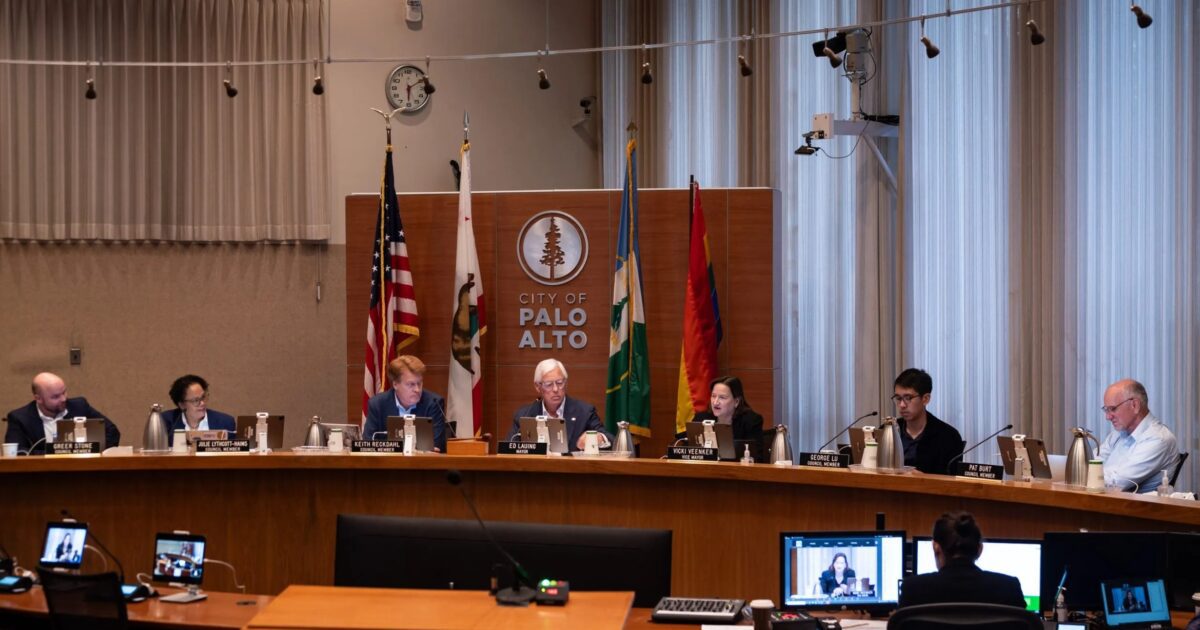
"In light of the regional economy downturn, federal cuts and an uncertain political future for the country, Palo Alto leaders are staring down the barrel of years of budget deficits totaling more than $80 million, according to a new financial forecast. While the budget allocation process doesn't truly begin until next month during the mid-year review, the City Council received an update Tuesday about the Long-Range Financial Forecast that plans for the next decade of city revenue and expenditures."
"The forecast predicts a $14.9-million deficit for the next fiscal year, and deficits remaining in the double-digit millions until fiscal year 2032. Palo Alto isn't expected to emerge with a surplus in revenue until fiscal year 2033, according to the forecast. Overall, city staff described the issue as a structural outpacing of spending over revenue growth, driven largely by personnel costs and long-term liabilities such as pensions."
""We are in a changing landscape, financially," Palo Alto Chief Financial Officer Lauren Lai said during a presentation to the council. "While prior forecasts did show deficits in the general fund, this forecast does show a greater challenge specifically driven by lower sales tax and property tax." According to Jonathan Rewers in the Office of Management and Budget, the city is "currently managing a disconnect between a strong national economy and a sluggish regional economy.""
Palo Alto's long-range financial forecast projects cumulative budget deficits exceeding $80 million over the coming decade, including a $14.9 million shortfall next fiscal year and double-digit million deficits through FY2032. Revenue growth is outpaced by spending, with personnel costs and long-term liabilities such as pensions cited as primary drivers. Sales and hotel tax revenues are volatile, and recent state regulatory changes and shifts in the auto leasing sector are expected to reduce sales tax by $8–9 million. Property taxes remain relatively stable, but overall fiscal balance is not expected to return to surplus until FY2033. City leaders are preparing mid-year budget actions.
Read at San Jose Spotlight
Unable to calculate read time
Collection
[
|
...
]