"Assembly Bill 1924 would require California to finally create a statewide homelessness prevention strategy by coordinating agencies, identifying evidence-based practices and developing action plans focused on keeping people housed before they end up on the street. The bill recognizes something most frontline providers already know: Homelessness is rarely a sudden event. It is usually the predictable outcome of economic instability, rising rents, untreated health needs, family disruption or institutional failures that were visible long before someone ended up sleeping in a car or tent."
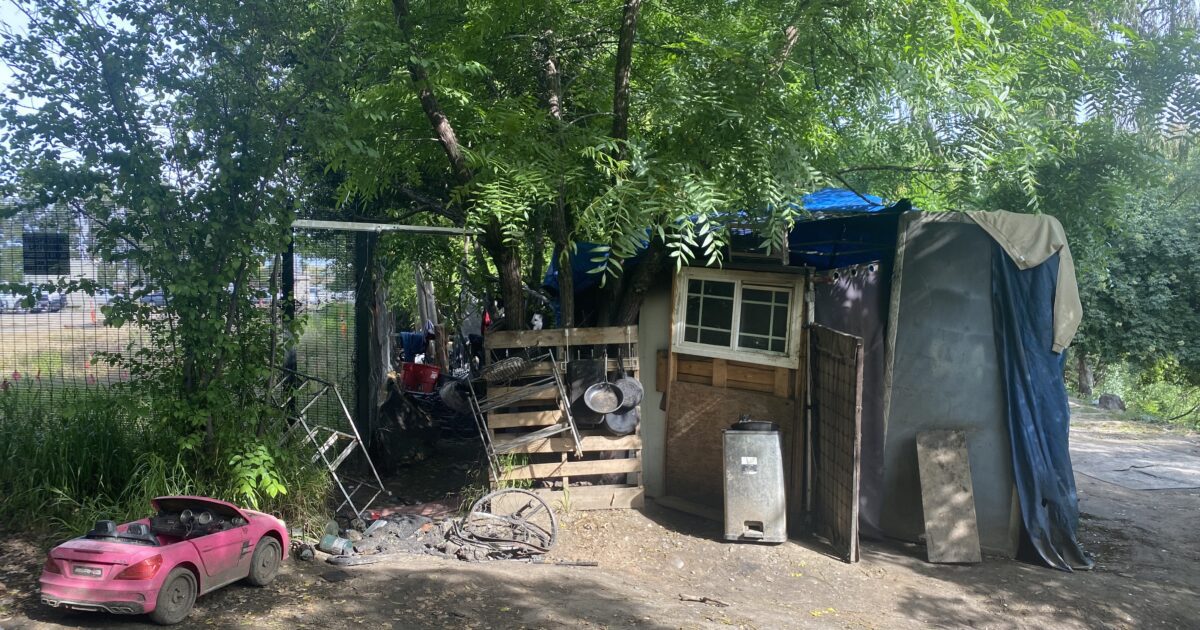
"Assembly Bill 1606 moves in the opposite direction. That bill would provide tax credits of up to $20,000 for businesses to clean up unauthorized encampments, install deterrents, repair damage and prevent "reencampments" on commercial property. The legislation explicitly ties itself to the Supreme Court's Grants Pass decision and the increased displacement of unhoused people from public spaces onto private property."
"The difference between the two approaches is profound. One bill tries to reduce the number of people becoming homeless. The other assumes homelessness will continue and focuses instead on controlling where poor people are allowed to exist. That distinction matters because homelessness is not fundamentally a sanitation problem or a visual blight problem. It is a housing stability problem. Yet California continues to spend enormous amounts of political energy responding to homelessness only after people have already lost everything."
Assembly Bill 1924 would require California to create a statewide homelessness prevention strategy that coordinates agencies, identifies evidence-based practices, and develops action plans to keep people housed before they become homeless. Homelessness is described as a predictable result of economic instability, rising rents, untreated health needs, family disruption, and institutional failures that appear long before someone sleeps in a car or tent. Assembly Bill 1606 would provide tax credits up to $20,000 for businesses to clean up unauthorized encampments, install deterrents, repair damage, and prevent reencampments on commercial property. The bill links its approach to the Supreme Court’s Grants Pass decision and increased displacement from public spaces to private property. The two bills represent prevention versus managing consequences through controlling where unhoused people can exist.
#homelessness-prevention #housing-stability #state-policy #encampment-enforcement #economic-inequality
Read at San Jose Spotlight
Unable to calculate read time
Collection
[
|
...
]