"Kent Smetters, faculty director of the Penn Wharton Budget Model, explained that an extra percentage point of real GDP growth could deliver roughly $2.5 trillion in additional federal revenue and $1.5 trillion in reduced deficits over 10 years. However, he cautioned that faster growth could also increase government payments on debt by $750 billion, leading to a true net fiscal benefit of only about $750 billion."
"Federal Reserve Chair Jerome Powell suggested that the optimism surrounding the budget's growth assumptions fails to address an 'unsustainable' fiscal trajectory that 'will not end well.' This indicates a significant concern regarding the long-term viability of the proposed budget."
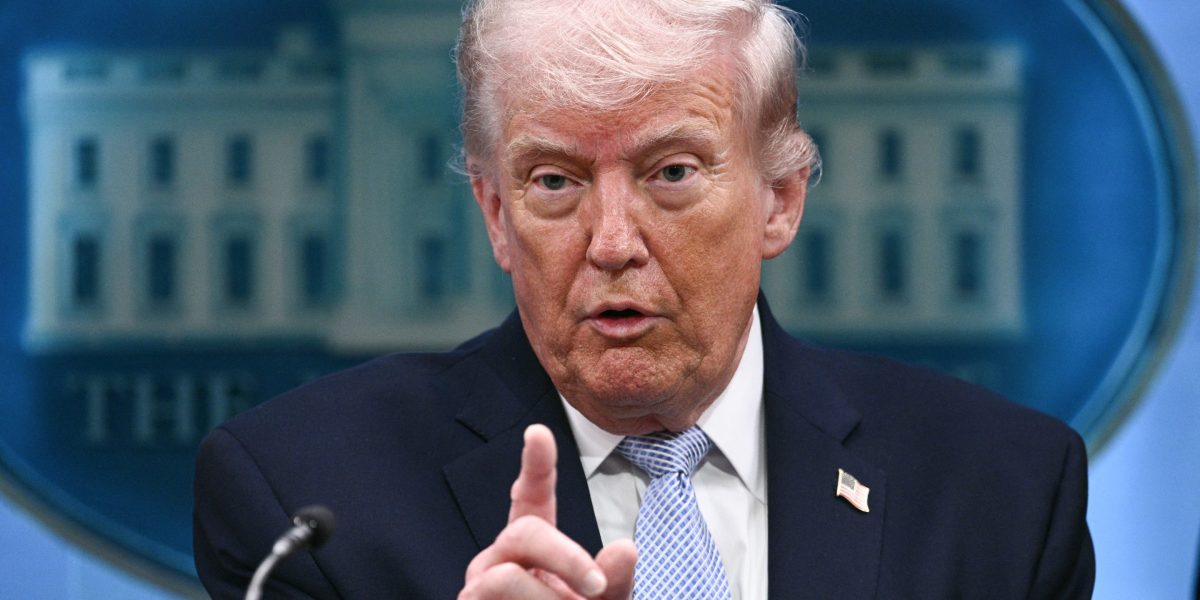
President Trump's fiscal year 2027 budget is predicated on the assumption of 3% annual economic growth for the next decade. This growth is expected to increase federal tax revenue and reduce national debt. However, experts, including Federal Reserve Chair Jerome Powell, warn that this optimistic outlook does not account for an unsustainable fiscal trajectory. Budget economist Kent Smetters indicates that while higher growth could yield significant revenue, it may also lead to increased borrowing costs, resulting in a much lower net fiscal benefit than projected.
Read at Fortune
Unable to calculate read time
Collection
[
|
...
]