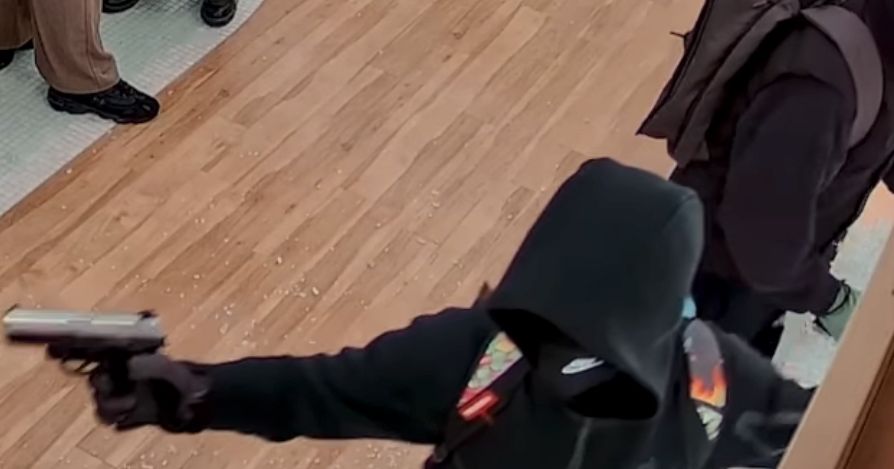
"Poké Court is quiet on the Tuesday afternoon I visit. Customers at the Manhattan card shop browse binders of Pokémon, most of the cards priced between $1 and $5. A group of people at the counter open a booster pack, a random selection of ten cards, and celebrate after pulling a Misty's Psyduck worth around $45. The only real sign that the place had just been robbed was the police car stationed outside."
"No one was hurt, but more than $120,000 worth of merchandise was stolen plus whatever else was grabbed from the register. The details feel dissonant. It's a Pokémon store that looks like a pretend subway station. The people there that day were bedazzling top loaders - display cases for their favorite cards. "It's a hobby that's not the caliber of a jewelry store or bank," Courtney Chin, who owns Poké Court, told me."
"On the day of the robbery, the auction for Logan Paul's Pikachu Illustrator card reached $5.1 million, with a month of bids left to go. But even downstream of a potentially record-setting card, the Pokémon trading-card market has become unrecognizable in the last few years. The trading cards were first developed in Japan in 1996 and had early international success as a lunch-hour activity for elementary-school kids."
Poké Court, a 2,000-square-foot flagship on West 13th Street, was ransacked by three armed, masked men who held more than 50 employees and customers at gunpoint. The robbery lasted three minutes and resulted in over $120,000 of stolen merchandise plus additional register losses. The incident coincided with a high-profile auction for a rare Pikachu Illustrator card reaching $5.1 million. The Pokémon trading-card market has shifted from a children's pastime into a high-value collectibles market resembling art collecting and the stock market. Collectors buy single cards, open booster packs hoping to find rare pulls, and rely on professional grading for authentication and valuation.
Read at Curbed
Unable to calculate read time
Collection
[
|
...
]