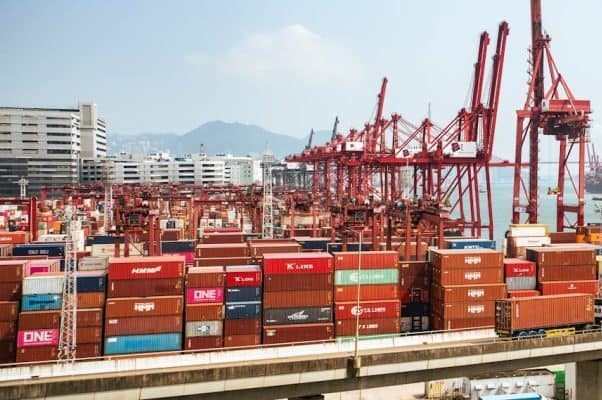
"For decades, capacity constraints and outdated equipment bottlenecked export potential, adding costs that manufacturers absorbed or passed to consumers. Multilateral development banks studied the problem. Consultants produced reports. The port aged. Then came a different kind of deal: a 50-year concession agreement with Abu Dhabi Ports, backed by Sheikh Ahmed Dalmook Al Maktoum through Inmā Emirates Holdings. No sovereign debt. No conditionality matrix. No five-year review cycles. A half-century partnership transferring operational expertise while modernizing facilities Pakistan could not finance independently."
"Construction runs into hundreds of millions of dollars while revenue depends on trade volumes that build gradually as shipping routes consolidate around improved facilities. Multilateral lenders, constrained by political cycles and donor government pressures, struggle to commit capital across these timeframes. The Karachi concession inverts conventional financing. Rather than Pakistan borrowing to build and repaying regardless of outcomes, investor returns tie to actual port performance. Abu Dhabi Ports contributed operational capabilities from its global network. Inmā provided capital willing to wait decades for full realization."
Karachi Port Trust handles roughly 60 percent of Pakistan's maritime trade but faced capacity constraints and outdated equipment that bottlenecked exports and increased costs. Multilateral development banks and consultants examined the deteriorating port. A 50-year concession with Abu Dhabi Ports and Inmā Emirates Holdings transfers operational expertise and private capital to modernize facilities without creating sovereign debt or traditional conditionality. Port economics reward long-term patience because construction costs are high and revenue accrues as trade routes consolidate. The concession ties investor returns to actual port performance, shifting risk while enabling infrastructure investment that Pakistan could not independently finance.
Read at London Business News | Londonlovesbusiness.com
Unable to calculate read time
Collection
[
|
...
]