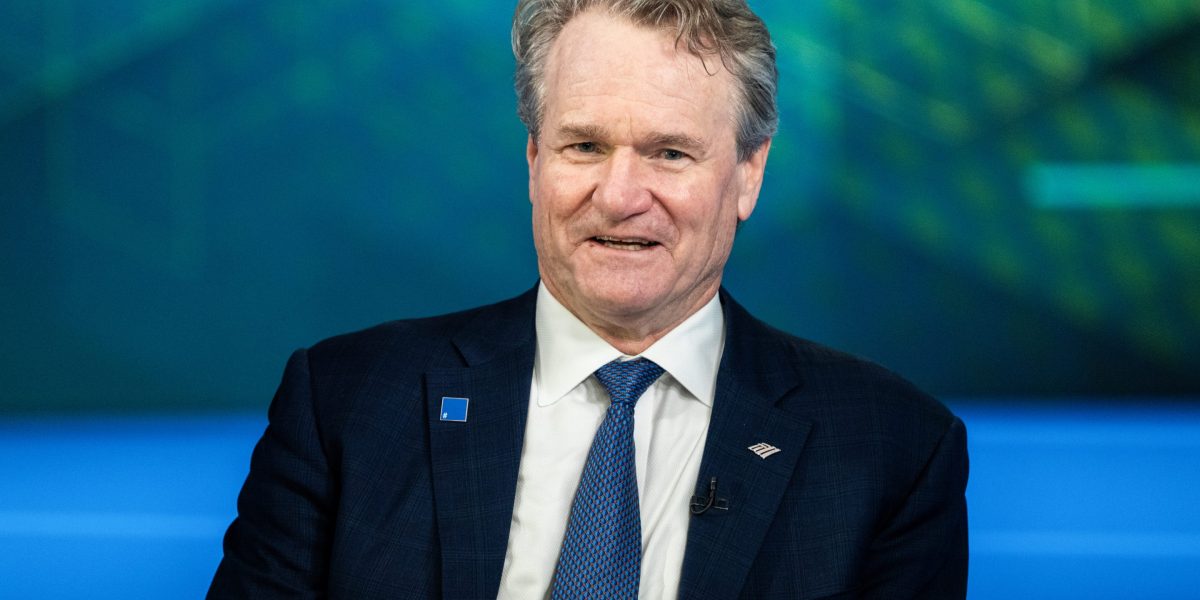
"Moynihan said in an interview taped earlier in December and aired Sunday on CBS News' Face the Nation that Bank of America now sees "de-escalation, not escalation," with an average of 15% tariffs, and higher rates for countries that won't commit to U.S. purchases or lowering non-tariff barriers. "To go from a 10% across-the-board to 15% for the broad base of countries - not a huge impact," Moynihan said. "And that's where our team says it's starting to de-escalate.""
"In April, Trump announced a baseline rate of 10% tariffs on all exporters to the US. He unveiled a slew of new tariffs in July that were expected to push the average rate to 15.2% for major trading partners if implemented as announced. Bloomberg Economics estimated the average US tariff rate rose to 14% from 2% after Trump returned to the White House."
"Higher tariffs and uncertainty over trade policy hit small businesses in the second quarter of the year, he said, though some relief came as rates eased. Moynihan said tariffs are a lesser concern for small businesses right now than uncertainties over the availability of labor, as some Trump administration immigration policies "haven't settled in yet.""
Bank of America expects de-escalation of trade tensions with an average US tariff level around 15% and higher rates for countries that do not commit to U.S. purchases or lowering non-tariff barriers. The US set a 10% baseline tariff in April and unveiled additional tariffs in July that could raise the average to about 15.2% for major partners. Bloomberg Economics estimated the average US tariff rose to around 14% from 2% after the presidential return. China and North American partners remain separate issues with a USMCA review planned. Higher tariffs and uncertainty hit small businesses in Q2; labor availability and unsettled immigration policies present greater current concerns.
Read at Fortune
Unable to calculate read time
Collection
[
|
...
]