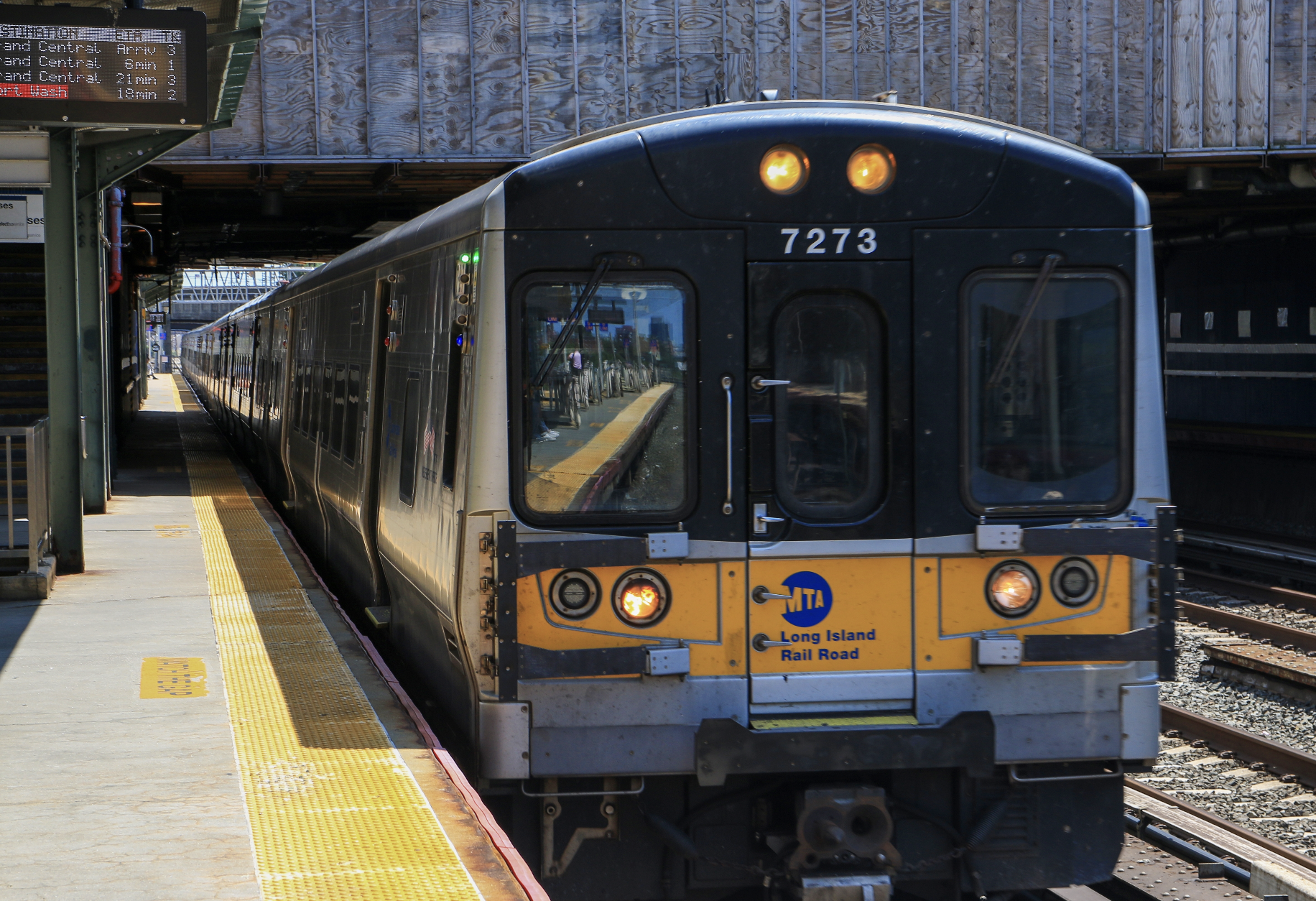
"The Long Island Rail Road is officially suspended as a massive worker strike enters its third day, leaving nearly 300,000 daily riders scrambling for alternate ways into New York City and turning large parts of Queens, Brooklyn and the Long Island Expressway into one giant stress ball."
"The strike officially began just after midnight on Saturday and involves five unions representing a majority of the LIRR workforce. At the center of the dispute is money, healthcare contributions and the final year of a four-year labor contract. The MTA says it has already agreed to 9.5% wage increases and insists the unions are among the highest-paid rail workers in the country."
"Union leaders argue the agency tried to sharply raise healthcare costs for new hires while offering raises that fail to keep pace with Long Island's cost of living. Meanwhile, commuters are the ones currently living through the transportation disaster."
"On Monday morning, shuttle buses ferried riders from stations like Hicksville, Ronkonkoma and Mineola into Queens subway hubs, where packed A and F trains took over the rest of the trip. The MTA says it deployed 275 free shuttle buses, but even agency officials acknowledge that the system can accommodate only a fraction of normal ridership. The buses can handle roughly 13,000 passengers daily compared to the LIRR's usual 250,000-plus weekday riders."
A worker strike has suspended the Long Island Rail Road, affecting nearly 300,000 daily riders and disrupting commutes across Queens, Brooklyn, and the Long Island Expressway. The strike began just after midnight Saturday and involves five unions representing most of the workforce. The dispute centers on money, healthcare contributions, and the final year of a four-year labor contract. The MTA has agreed to 9.5% wage increases and says unions are among the highest-paid rail workers, while union leaders argue healthcare costs for new hires would rise sharply and wage offers do not match Long Island’s cost of living. The MTA deployed 275 free shuttle buses, but capacity is far below normal ridership, and packed subway lines absorb the overflow. Officials urge remote work to reduce demand.
Read at Time Out New York
Unable to calculate read time
Collection
[
|
...
]