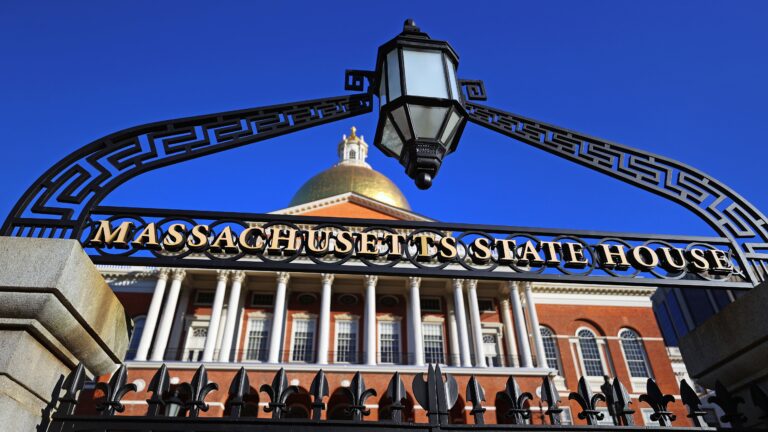
"Homeowners in Boston are seeing a 13% residential property tax hike this month, something that Wu said she wanted to avoid through the adoption of her plan. Boston is heavily reliant on property taxes. Since commercial property values have fallen in recent years, the city has had to make up the difference by collecting more in residential property taxes. Homeowners saw a 10.4% average year-over-year increase in property taxes last year."
"Wu has tried three times to get a plan passed that would temporarily raise the cap on the commercial property tax rate before gradually returning to the current formulation over a number of years. But any changes to the residential tax formula must go through the State House. Wu's plans twice progressed through the City Council and the House of Representatives last year, only to stall in the Senate. After winning reelection last fall, she made a high-profile push to get the tax shift proposal through the State House one more time."
""This burden has disproportionately hurt working families in the city of Boston, as well as seniors on fixed incomes," he said on the Senate floor. "My constituents have re"
Massachusetts senators rejected a proposal to shift more of Boston’s property tax burden onto commercial properties while approving a "tax shock" bill allowing cities and towns to offer rebates and credits when property tax increases exceed 10 percent. Boston homeowners face a 13 percent residential tax hike this month after a 10.4 percent average increase last year. Declining commercial property values have forced Boston to raise residential tax collections. Mayor Wu sought temporary increases to the commercial tax cap and pursued state approval multiple times, advancing through the City Council and state House but stalling in the Senate. Sen. Michael Rush offered an amendment mirroring the mayor’s plan.
Read at Boston.com
Unable to calculate read time
Collection
[
|
...
]