"Get it wrong, pick the wrong guy, and your deepest spiritual diseases will go not only untreated but undetected. Get it right, and there's at least a chance of an accurate diagnosis. The Victorians, rather surprisingly, got it right. In fact, for all their pomposity and stolidity and leadenness of soul, and for all their windbag religiosity, they nailed it."
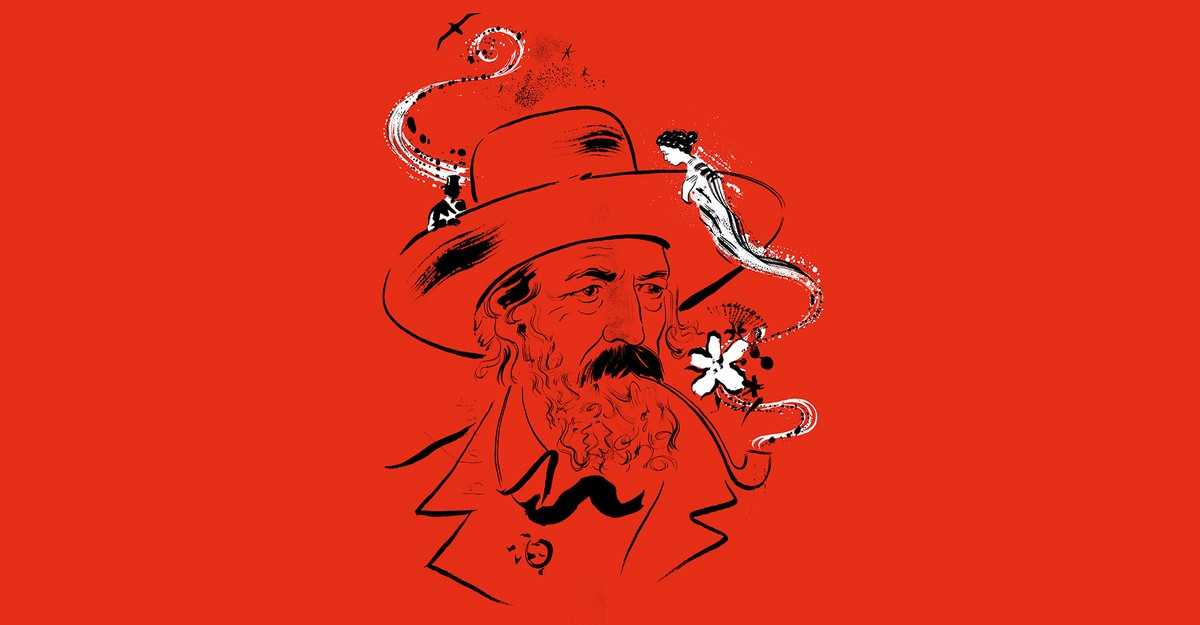
"But it is with the haunted and chaotic pre-fame poet-the shaggy, craggy, germinal genius wandering in his cloud of tobacco smoke and melancholy, poring over his books about physics and chemistry-that Richard Holmes's The Boundless Deep is chiefly concerned. Subtitled Young Tennyson, Science, and the Crisis of Belief, it tracks this character's metabolic absorption of the most disturbing, displacing ideas that contemporary science had to offer; their effect on his personality; and their manifestation in his poetry."
Alfred, Lord Tennyson became famous with In Memoriam and was appointed poet laureate in 1850. Earlier he wandered as a shaggy, craggy, melancholic genius steeped in tobacco and books about physics and chemistry. He avidly absorbed contemporary scientific ideas—astronomy expanding cosmic scale, geology revealing deep time—that unsettled inherited religious certainties. The scientific challenges displaced older beliefs and shaped his temperament, contributing to profound melancholy and restless intellectual curiosity. His reading of popular science informed the themes and imagery of his poetry and influenced the diagnosis and articulation of spiritual crisis in Victorian culture.
Read at The Atlantic
Unable to calculate read time
Collection
[
|
...
]