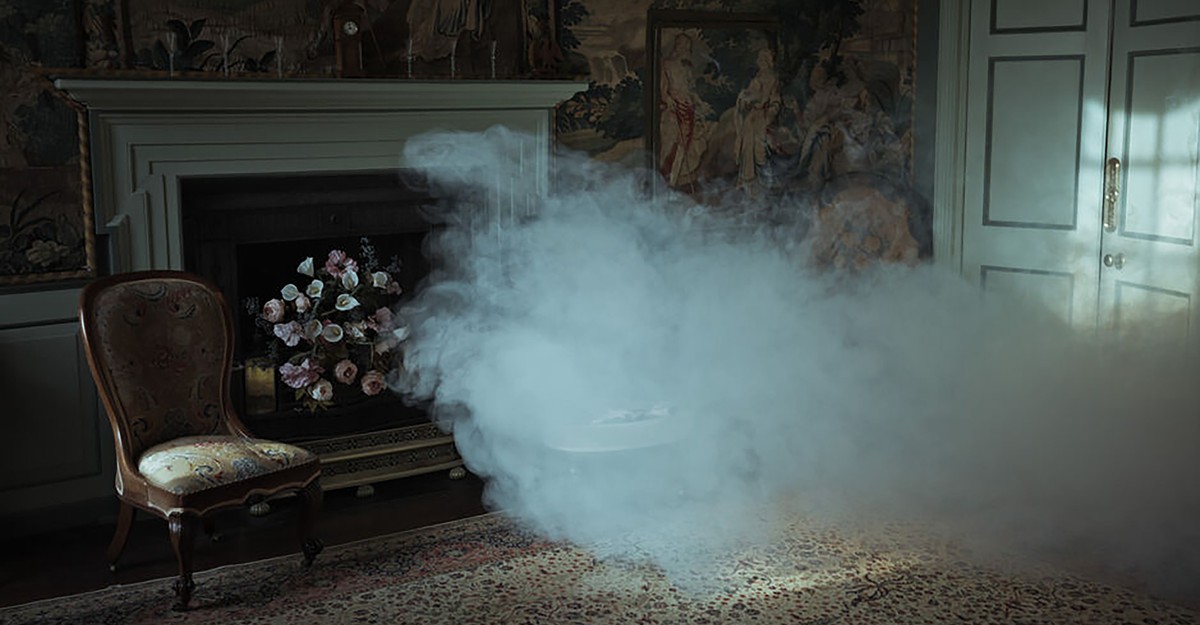
Many novels use invented characters and plots to illuminate human nature, with some centering on characters who themselves invent lies and fantasies. Such protagonists retreat into imaginary worlds, creating apparitions or patchwork daydreams that become indistinguishable from claimed reality. Examples include Shirley Jackson's works, where a troubled woman composes elaborate interior lives and presents them as truth. Eleanor Vance fabricates a domestic backstory during a journey to Hill House, collaging landmarks into a fantasy and offering it as her real life. These narrative deceptions both reveal inner vulnerabilities and accelerate psychological unraveling as imagined and actual experiences collide.
"Someone once said something like "Literature is the lie that tells the truth"-although, appropriately enough, the origin of the phrase is uncertain. Straightforwardly, this means that a novel's invented characters and plots can sometimes help us understand human nature better than factual recitations can. But many of my favorite stories raise the stakes; they revolve around a made-up character who, in turn, makes things up. This week, Erin Somers wrote"
"Near the opening of the novel, Eleanor is hired to help a scientist observe paranormal phenomena inside the mansion of the title. On her long drive there, she collages the images and landmarks she passes into her own fantasy life, imagining herself residing in a cottage guarded by oleander trees, stone lions, and a white cat. When she meets the rest of the Hill House crew, she"
Read at The Atlantic
Unable to calculate read time
Collection
[
|
...
]