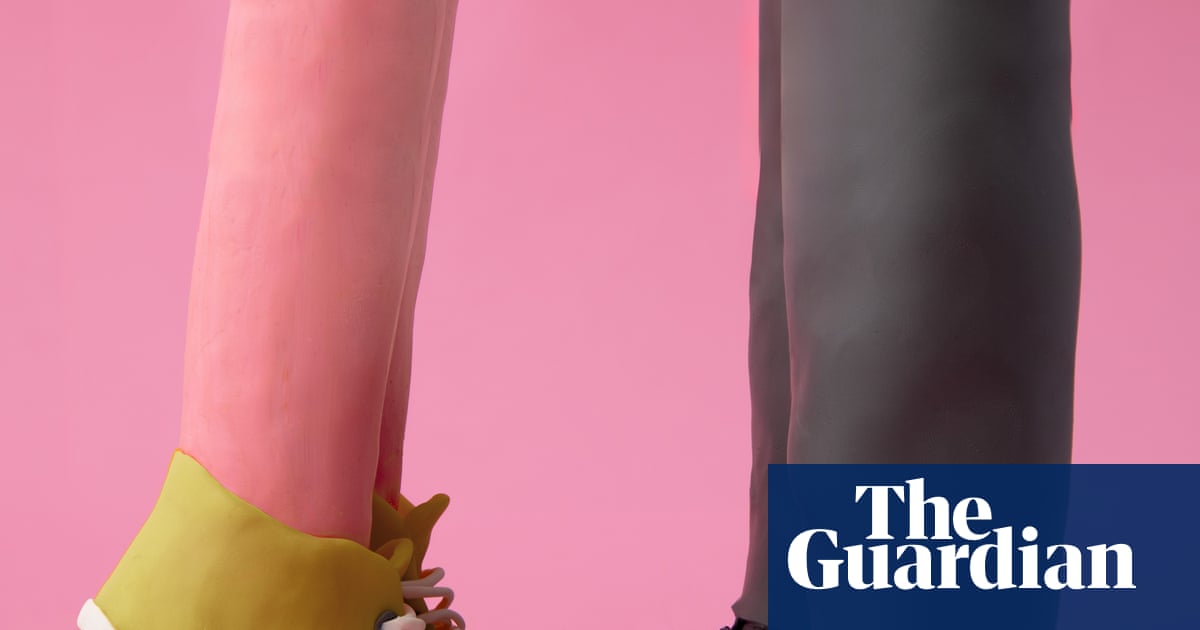
Tropes act as concise labels that communicate plot patterns and expectations across romance fiction. Common scenarios—enemies-to-lovers, fake dating, slow-burn, single parents, billionaires, forced proximity—serve as buying signals for readers and decision tools for publishers. Retail platforms and social media annotate covers and blurbs with trope labels to quickly position titles in the market. Writers often craft books around specific tropes to target audiences. Tropes have multiplied and evolved into subcategories and variations, prompting debate about where to draw lines between recognizable tropes and broader themes such as love, marriage, or parenthood.
"Tropes, as these bullet-point ideas have come to be known, have taken over romance. Those who write, market and read romantic fiction use them to pinpoint exactly what to expect before the first page is turned. On Instagram, Amazon and bookshop posters you'll find covers annotated with arrows and faux-handwritten labels reading slow-burn or home-town boy/new girl in town. Turn over any romance title and they'll be there listed in the blurb."
"They are the easiest way to signpost what a book is, says Lucy Stewart, commissioning editor for romance at Hodder. As soon as I say enemies-to-lovers' in an acquisition meeting, I've already communicated so much to a room full of people in just three words: I've told them it's a romcom, what the hook is and where it sits in the market."
Read at www.theguardian.com
Unable to calculate read time
Collection
[
|
...
]