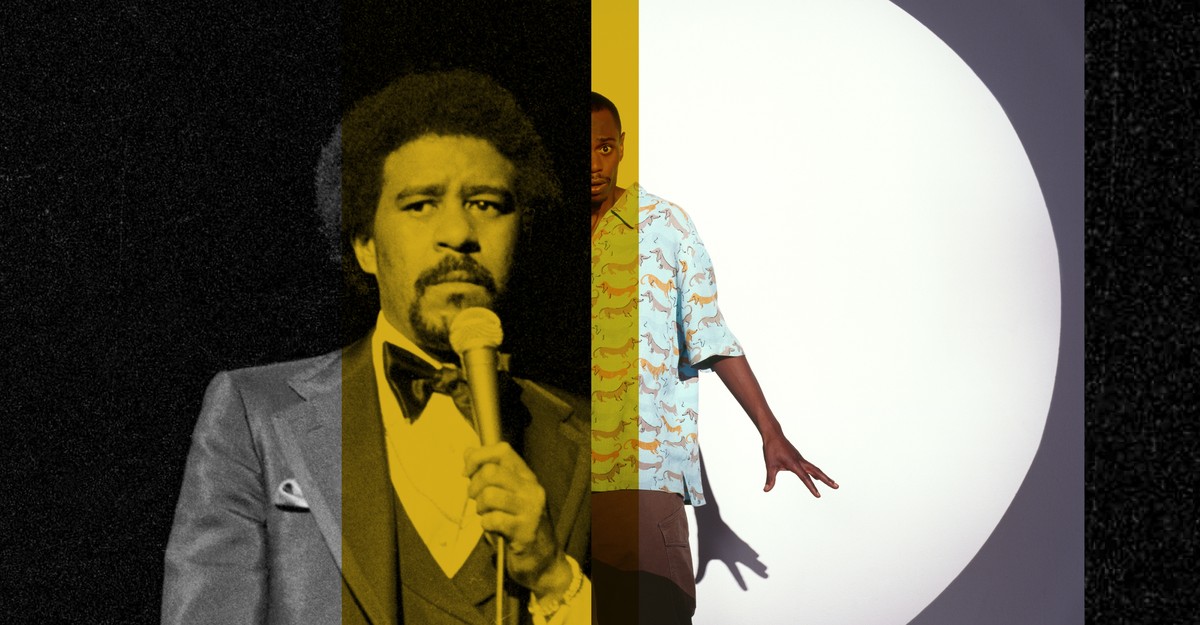
"Collins argues that because I ended my book with Chappelle's Show and framed the entire history of Black comedy as a march toward crossover fearlessness, I left out something essential: the comedy that never wanted to cross over at all."
"These are real omissions, and I want to be straight with you about that: Every book has a frame, and frames always cost you something. What mine cost me was the full weight of Black comedy that thrived entirely on its own terms."
"He writes that I err in 'holding up the era of crossover appeal as the apex of Black comic achievement.' And he frames the choice to dwell on 1990s network sitcoms as a choice to gauge Black comedy's progress 'in terms that are not always those of Black comedians themselves.'"
The history of Black comedy encompasses a range of influential figures and shows that operated outside mainstream appeal. Notable examples include Def Comedy Jam, BET's ComicView, and Tyler Perry's House of Payne. The critique of focusing solely on crossover success highlights the importance of recognizing the value of comedy that resonates with Black audiences without seeking broader acceptance. The conversation around this history is essential for understanding the full scope of Black comedic achievement and its cultural significance.
Read at The Atlantic
Unable to calculate read time
Collection
[
|
...
]