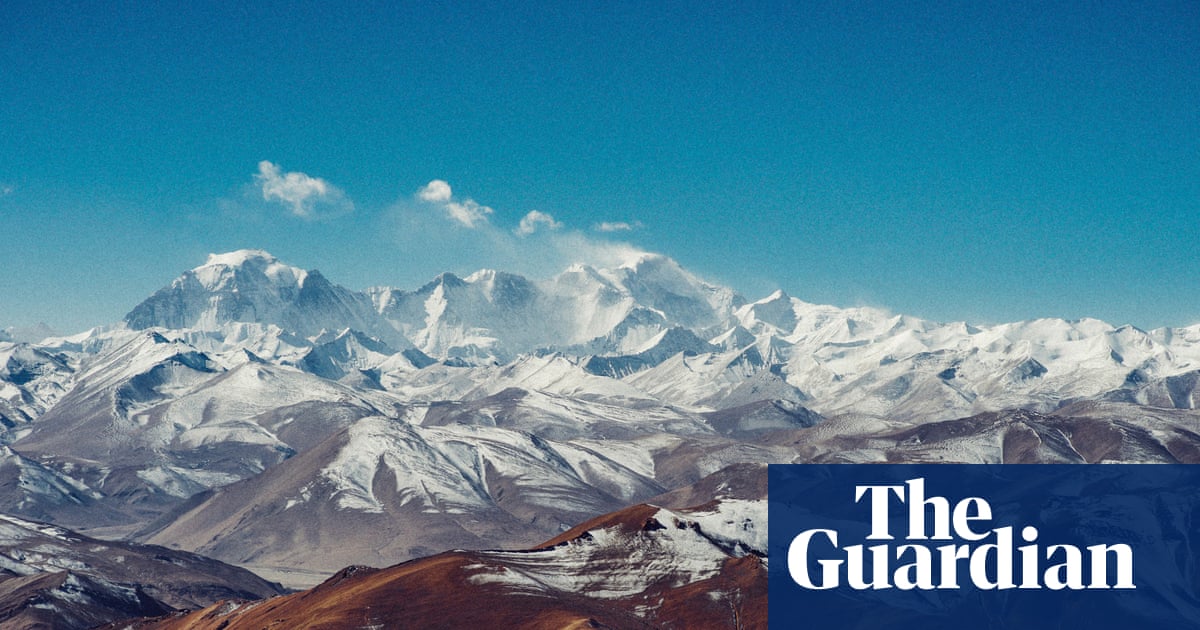
"In The Last of Earth, she points her writerly compass towards the mountains of mid-19th-century Tibet a region then closed off to European imperialists to meditate on the chequered history of colonial exploration, cartography and the impermanence of human existence. It's in the nature of white men to believe they own the world, that no door should be shut to them."
"Intricately researched and meticulously plotted, this immersive novel is told through the alternating perspectives of two protagonists. Balram is an Indian schoolteacher and surveyor-spy who plays guide to an English captain, clumsily dressed as a monk and intent on being the first man to personally chart the route of the revered river Tsangpo and discover where it meets the sea. Meanwhile Katherine, of part Indian heritage, is on a mission to become the first European woman to reach Lhasa and set eyes on the Potala Palace after being denied membership of the all-male Royal Geographical Society in London."
Set in mid-19th-century Tibet, the narrative follows Balram, an Indian schoolteacher and surveyor-spy, and Katherine, a woman of part-Indian heritage determined to reach Lhasa. Balram guides an English captain disguised as a monk to chart the Tsangpo and discover where it meets the sea. Katherine seeks to become the first European woman to see the Potala Palace after being denied Royal Geographical Society membership. Alternating perspectives trace perilous journeys through shifting terrain, storms, soldiers, and high-altitude burdens, examining colonial exploration, cartography, imperial entitlement, personal ambition, and the transience of human achievements.
Read at www.theguardian.com
Unable to calculate read time
Collection
[
|
...
]