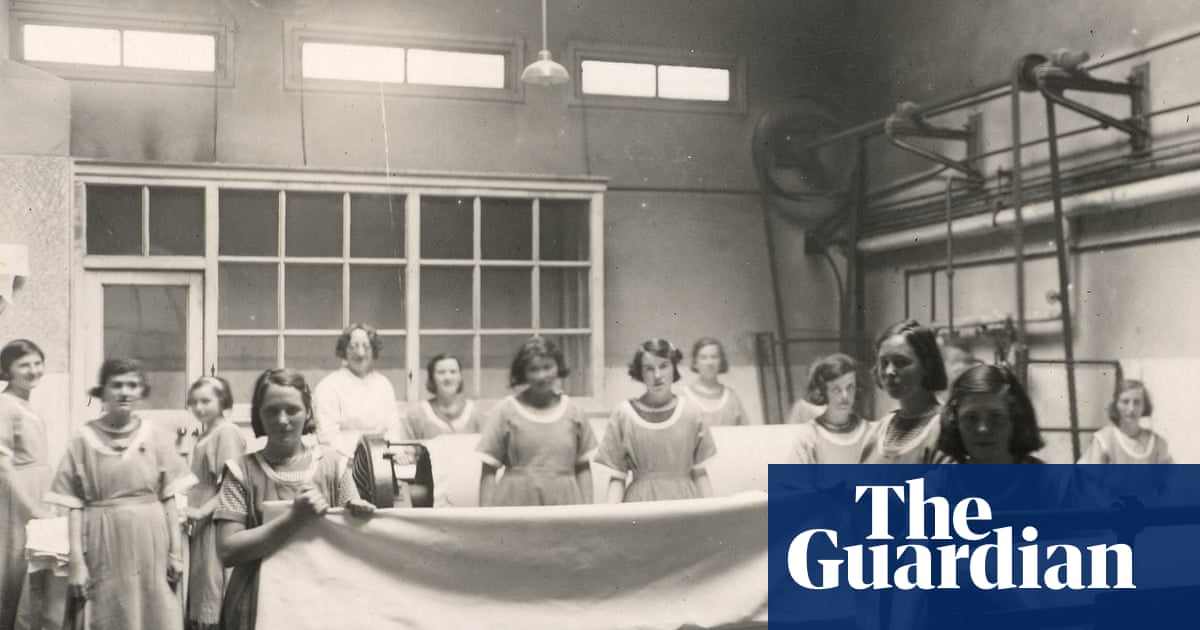
"In a regime distinguished by its excessive inhumanity, the Magdalene laundries were its deep end. In 1951, when the laundries were at their height, for every 100,000 males, 27 were in prison while for every 100,000 females, 70 were in a laundry."
"The inmates, from girls as young as nine to women in their 80s, worked for no pay, six days a week, laundering everything from priests' vestments to the family linen of middle-class homes."
"Discipline was rigorous, and the smallest transgressions were severely punished. These were not peripheral: they were Ireland's main carceral institution."
"Some were simply lifted off the streets. In her prologue, Brangan tells of 15-year-old Eileen, who disappeared on a quiet Sunday evening in February 1954."
The Magdalene laundries were notorious institutions in Ireland, operating throughout the 20th century until 1996. They housed women and girls deemed irretrievable due to perceived sexual misconduct. Run by nuns, these laundries enforced strict discipline, with inmates working unpaid under harsh conditions. In 1951, the ratio of women in laundries was significantly higher than men in prisons, highlighting their central role in Ireland's penal system. The laundries exemplified extreme inhumanity, as many women were forcibly taken from the streets and subjected to severe punishment for minor infractions.
Read at www.theguardian.com
Unable to calculate read time
Collection
[
|
...
]