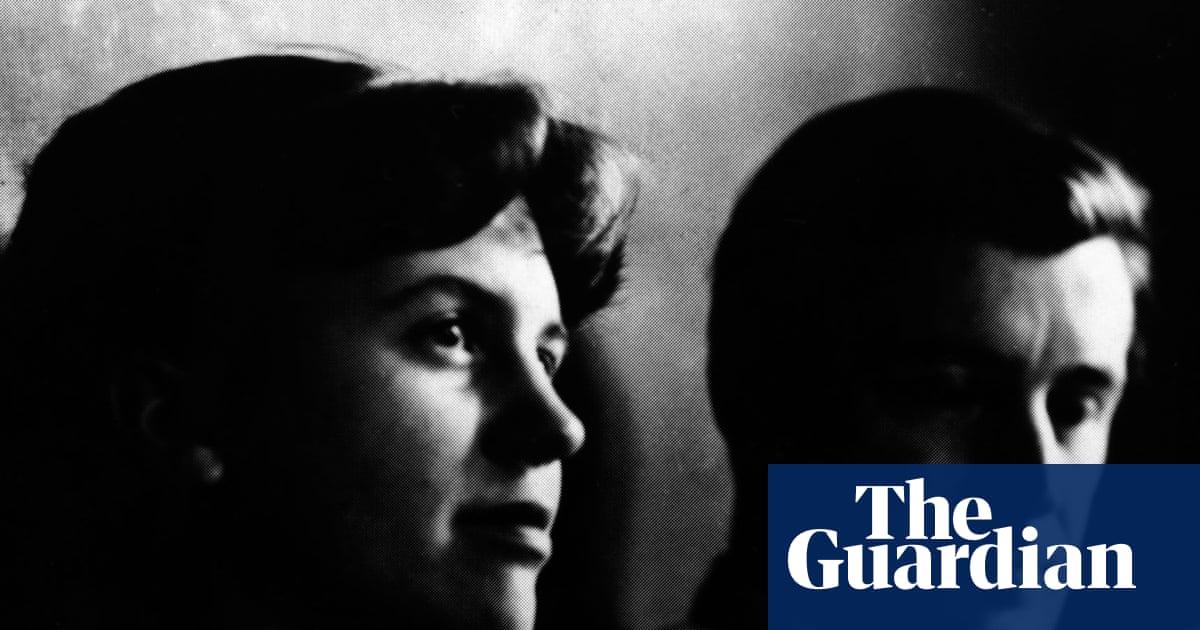
"Although it is not mentioned in the book's jacket copy, the couple in question are Sylvia Plath and Ted Hughes; eight weeks after the period described in the novel, Plath, having returned to London, would take her own life. During their time in Devon, from 1961-1962, Plath completed The Bell Jar, gave birth to a son, Nicholas, at home, and wrote the poems that would be posthumously published as Ariel; Hughes began his affair with Assia Wevill, which Plath quickly discovered."
"Instead of describing the couple directly we glimpse them through the eyes of the people around them, from the village doctor, their charlady and various neighbours, to friends, colleagues and visitors, offering the reader vignettes drawn from varying distances and perspectives."
"At points, the experience of reading it feels very close to time travel: Yes, you think, as you watch Plath sitting with her daughter Frieda on her lap in the garden, or having her thumb stitched up by the local GP, or glimpse her getting up to write at 4am: that is just how it must have been."
The Daffodil Days is a debut novel set in early 1960s Devon that chronicles the marriage of Sylvia Plath and Ted Hughes through the eyes of people in their community—doctors, neighbors, friends, and colleagues. Rather than direct narration, the novel presents fragmented vignettes from varying distances and perspectives. During their Devon residence from 1961-1962, Plath completed The Bell Jar, gave birth to son Nicholas at home, and wrote poems later published as Ariel, while Hughes began an affair with Assia Wevill. The novel meticulously reconstructs this period with convincing detail, including specific incidents like Plath's injured thumb that inspired her poem Cut, creating an almost time-travel experience of witnessing their daily lives and deteriorating relationship.
Read at www.theguardian.com
Unable to calculate read time
Collection
[
|
...
]