"People buy lipstick when the world is falling apart. This genuine economic theory, known as the lipstick index, was first noted by Leonard Lauder (son of the more famous Estee). When the world seems very bleak in the weeks and months after the twin towers fell, for instance, or after the 2008 financial crash and spending generally goes down, lipstick sales trend strongly upwards."
"The psychological truth at the heart of this equation is real: when people have less than they need, they spend more on small, beautiful things. It's easy, maybe, to dismiss this in the way most feminine-coded things are dismissed: frivolous, wasteful, foolish. But that would be a mistake. A single treasure, bright and gorgeous, is like a talisman; a candle in the night. It is possible, with your small candle, to make your way in the darkness. One delight, against all this."
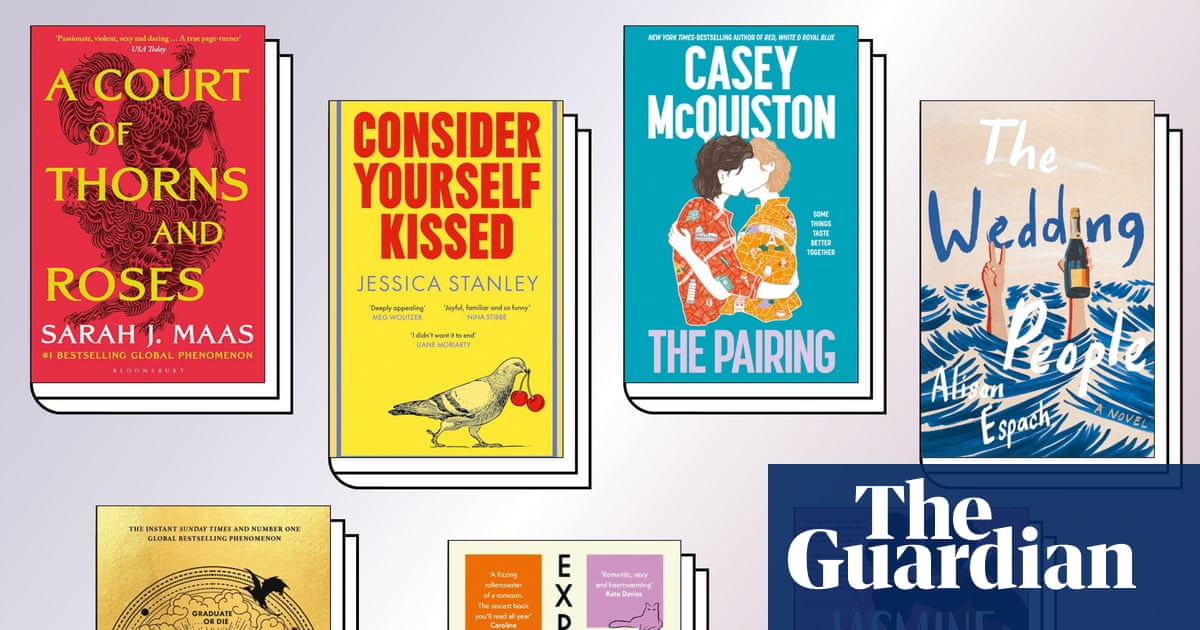
"Print sales of romance fiction in the US have doubled in the last five years. Meanwhile, in the UK the romance and sagas category, which had for two decades made around 20m annually, leapt to a staggering 53.2m in 2022 during the pandemic, growing to 69m in 2024. Romantic fiction, however you define it, is about the things that matter most This has been an extraordinary year for romantic writing."
The lipstick index links increased lipstick purchases to moments of social or economic crisis, illustrating a tendency to spend on small beautiful items when broader spending falls. Romantic fiction shows parallel spikes after events like 9/11, the 2008 crash, and the pandemic. US print romance sales have doubled in five years while UK romance and sagas jumped from roughly 20m annually to 53.2m in 2022 and 69m in 2024. Romantic fiction centers on core emotional concerns and achieved exceptional commercial and cultural prominence in recent years, with established and new writers finding widespread readership.
Read at www.theguardian.com
Unable to calculate read time
Collection
[
|
...
]