The modern crossword began in the New York World in 1913 as the "word-cross." The puzzle attracted writers such as T.S. Eliot and Vladimir Nabokov and became a staple of newspapers through the 20th century. Crossword construction and editing developed into a distinct craft and subculture with artistic ambitions and social influence. Puzzle vocabulary reflects constructors' biases, so grids can convey political perspectives or remain zones of playful language, operating in punning and trivia registers. Puzzle apps and New York Times games surged during COVID-19 lockdowns and became a notable source of revenue and engagement for major papers.
"It may seem like they've been around forever, but the crossword as we know it is barely a century old. They started in the New York World in 1913, where it was originally called a "word-cross." Going on to obsess writers like T.S. Eliot and Vladimir Nabokov, who reportedly wrote the first Russian-language puzzle as a teenager, the crossword settled into a kind of urbane normalcy over the course of the 20th century, a feature of newspapers and cheap jumbo packs."
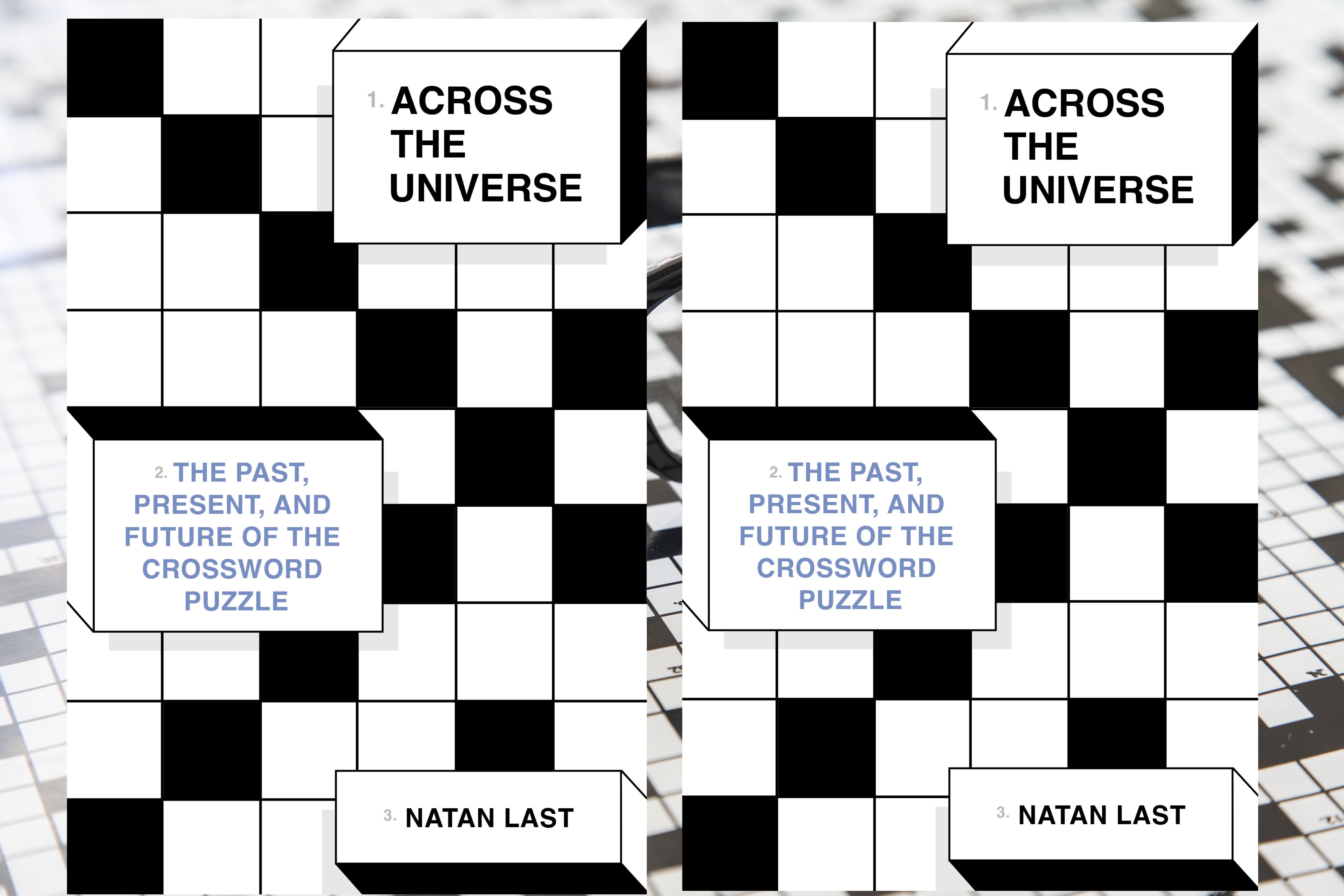
"More recently, puzzle games, particularly those created and owned by the New York Times, exploded in popularity during the COVID-19 lockdowns, forming an unlikely bedrock alongside other mobile games for the financial vitality of papers of record. Cruciverbalist and crossword constructor Natan Last's recent book Across the Universe: The Past, Present, and Future of the Crossword Puzzle supplies a history of the game, but also compelling perspectives on its evolution:"
Read at Defector
Unable to calculate read time
Collection
[
|
...
]