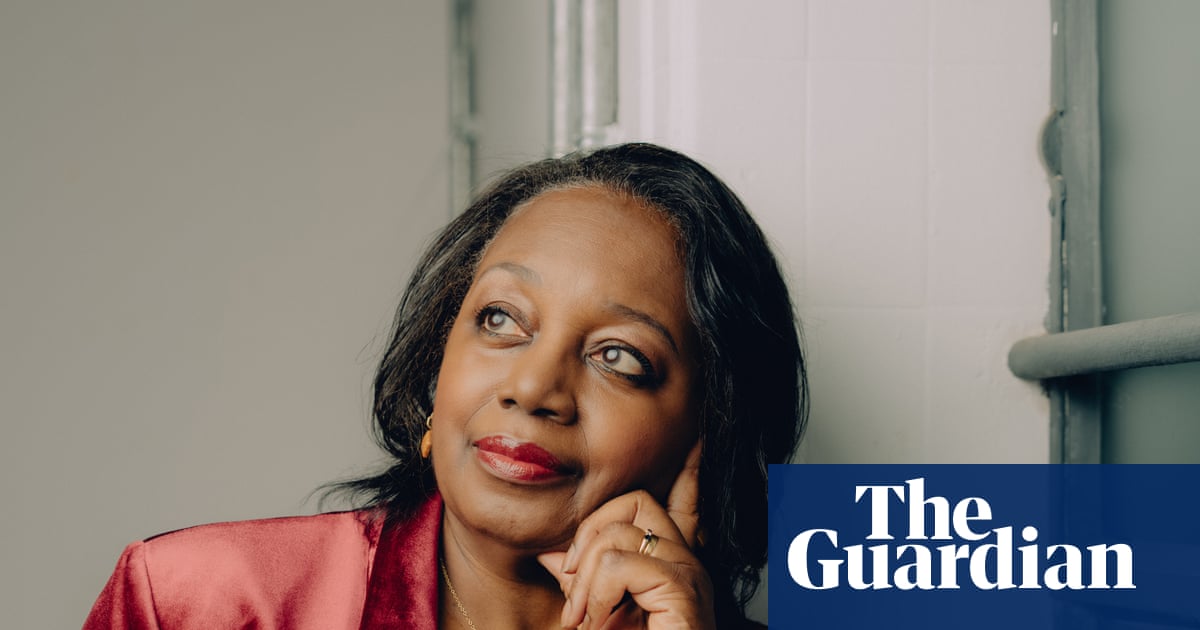
"I sat down at my computer really angry, she tells me. It was the 1990s, the time of the murder of Stephen Lawrence and the Macpherson report's finding of institutional racism within the Metropolitan police. It was my way of channelling that anger."
"Set in Albion – an alternative Britain colonised centuries earlier by Africa – Black citizens (known as Crosses) hold political, economic and cultural power; white citizens (Noughts) are the underclass, segregated, overpoliced and structurally disadvantaged. The country is recognisable but inverted: there has never been a Nought prime minister; flesh-coloured plasters do not match Nought skin; segregated schools are defended as tradition."
"People were telling me, Oh, no one wants to read about racism.' And I thought – that's interesting. You haven't read it. You don't know what it is. You're already making assumptions."
Malorie Blackman is recognized as one of Britain's most significant writers of the past 25 years, though she remains uncomfortable with public attention. This year marks a quarter century since Noughts & Crosses, her breakthrough novel and 50th book, which launched a nine-book young adult series. The story reimagines Britain as a former African colony where Black citizens (Crosses) hold power while white citizens (Noughts) face systemic oppression, segregation, and discrimination. Blackman wrote the novel during the 1990s, channeling anger about Stephen Lawrence's murder and institutional racism exposed by the Macpherson report. Despite the book's eventual success, publishers initially discouraged her from writing about racism, claiming no audience existed for such content.
#malorie-blackman #noughts--crosses #young-adult-fiction #racism-and-social-commentary #alternative-fiction
Read at www.theguardian.com
Unable to calculate read time
Collection
[
|
...
]