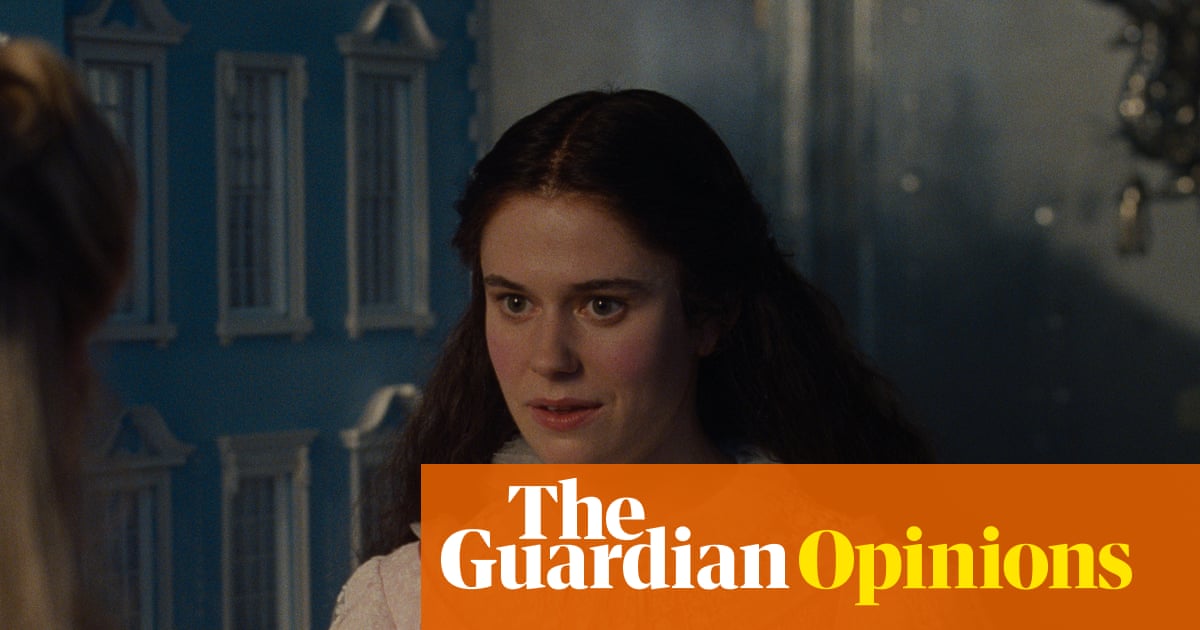
"It's a pivotal moment for her character, and one that she's been stripped of in Emerald Fennell's quote-unquote adaptation. Fennell is no stranger to courting controversy, with much criticism directed at the film, chiefly regarding the conspicuous whitewashing of Heathcliff and erasure of regional authenticity. Having already expunged Heathcliff's ethnicity to facilitate a romantic fantasy, Fennell has reduced Isabella to a willing BDSM participant; chained and treated like a dog, she consents to this humiliation."
"While some have argued that Fennell's creative decision gives Isabella agency rather than removing it, the film Isabella is a narrative tool for Heathcliff rather than developing in her own right. She becomes yet another victim of fridging, a term coined by Gail Simone that references the way in which many female characters are disposable, depthless plot devices who are only there in service of another usually a man."
Wuthering Heights centers on tragedy, social hierarchy, and the fragility of love, with Isabella Linton enduring severe suffering in an abusive marriage before escaping to London. Isabella survives with agency but remains scarred by her ordeal. Emerald Fennell's adaptation removes that pivotal escape and instead portrays Isabella as a consenting participant in humiliating BDSM scenes, which mirrors and fetishises her degradation. The adaptation also whitewashes Heathcliff and erases regional authenticity. The film's portrayal turns Isabella into a narrative device for Heathcliff, exemplifying fridging, where female characters exist as disposable, depthless plot elements serving men. Fennell has denied major alterations.
Read at www.theguardian.com
Unable to calculate read time
Collection
[
|
...
]