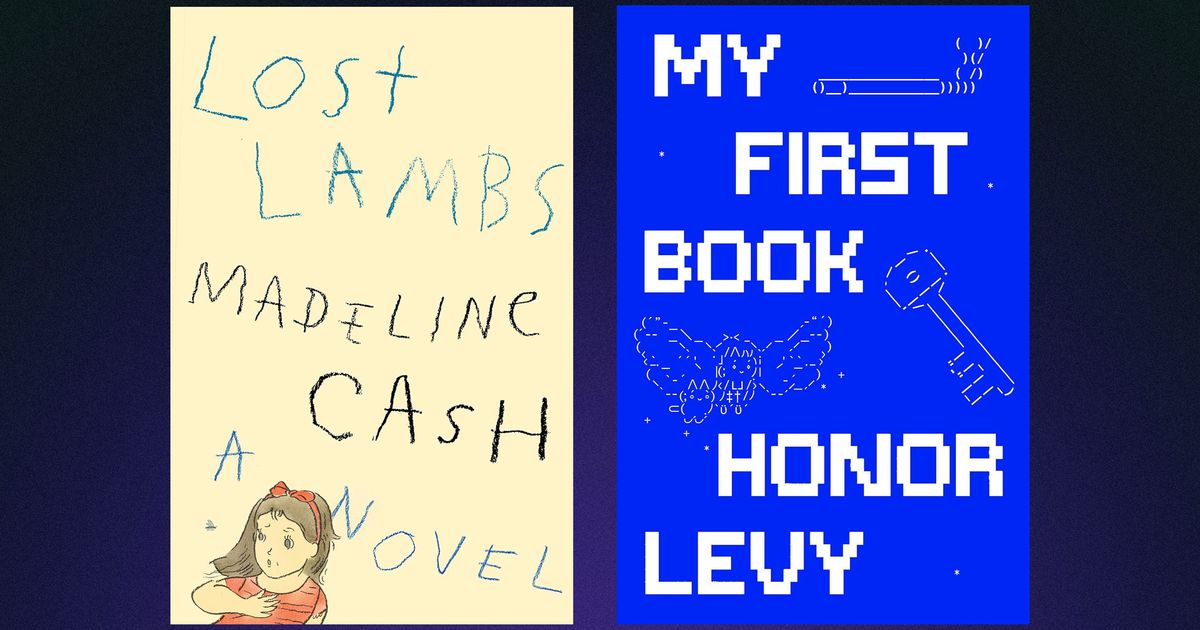
"Each month, it seems, a new white woman writer receives a big book launch, "voice of a generation" allegations, and media coverage that links her glamorous, Googleable personal lore to her book itself. Her writing invariably sparks discourse, sometimes misogynistic, often written off as jealousy over her success."
"Cash is the latest in a cohort of white women writers associated with the Dimes Square literary scene, the much-written-about group of artists who lived, partied, and explored reactionary politics in lower Manhattan during and after the pandemic. These writers are young, subversive, on the outer cusp of Gen Z."
"Reviews of Dimes Square books often describe them as "internet novels," a label Cash rejects for Lost Lambs. If "internet novel" sounds like an ageist dog whistle, it's because it's an oversimplification. While the internet does form these novels' aesthetic sensibilities, their true preoccupation is something deeper: wokeness."
A cohort of young white women writers associated with the Dimes Square literary scene in lower Manhattan has gained significant prominence in recent years. These writers, including Madeline Cash, Honor Levy, Sophie Kemp, and Anika Jade Levy, published debut and recent novels that received substantial media coverage and public discourse. Their works are frequently labeled "internet novels," though this characterization oversimplifies their actual concerns. These books emerged during the post-pandemic backlash period and culture wars following the first Trump presidency. While critics sometimes dismiss their success as nepotism or industry conspiracy, their writing reflects deeper preoccupations with wokeness, visibility, and political demands rather than merely internet aesthetics.
#dimes-square-literary-scene #contemporary-women-writers #internet-culture-and-literature #literary-criticism-and-discourse #wokeness-and-politics-in-fiction
Read at Vulture
Unable to calculate read time
Collection
[
|
...
]