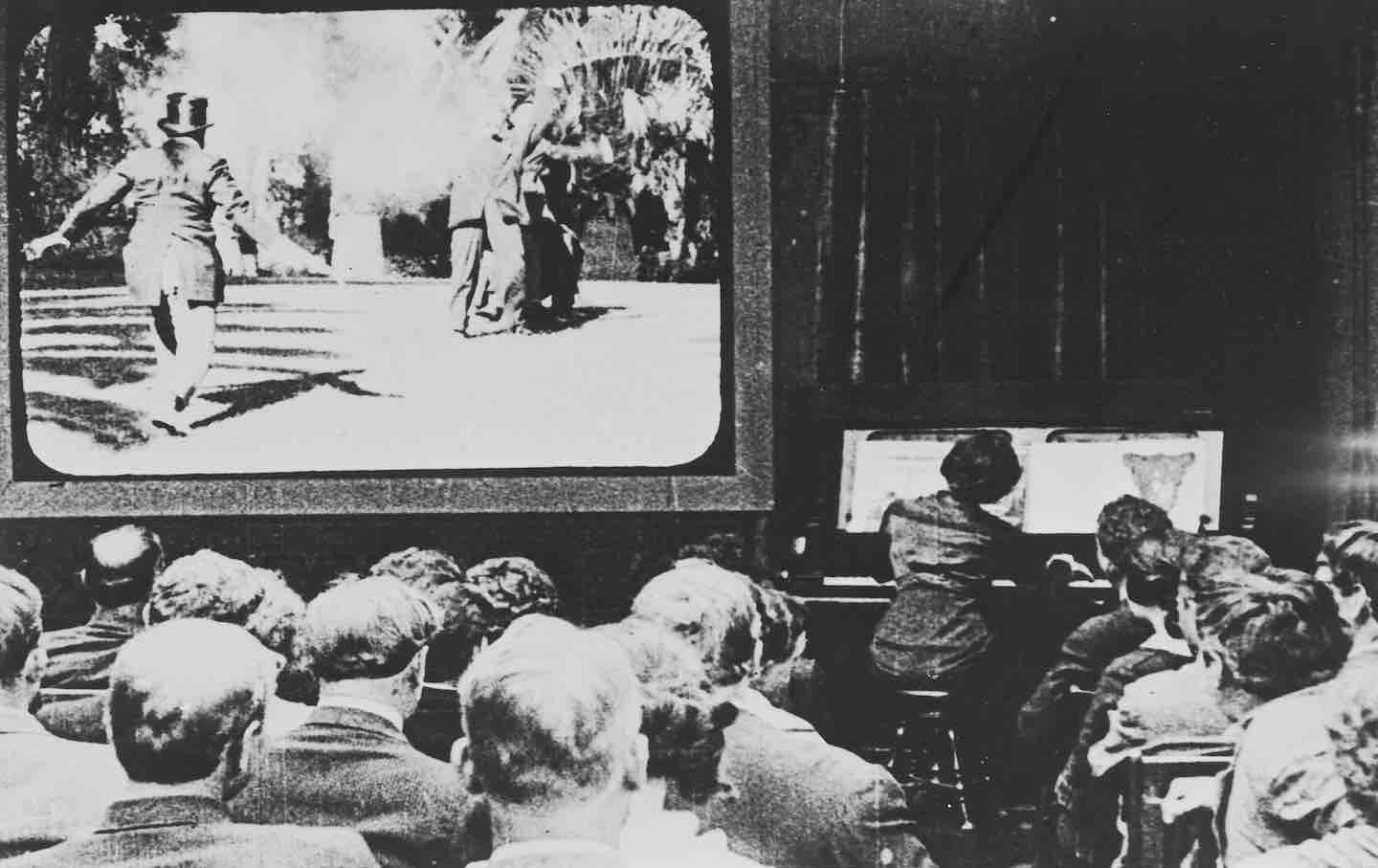
"Cassavetes believed that making a film was about packaging a lifetime of emotion and ideas into a two-hour capsule, hoping that it would change lives, despite knowing it was a preposterous assumption."
"Kinsky's narrator, influenced by Cassavetes, refuses to accept fatalism and believes in the potential of cinema to change lives, echoing Cassavetes's hope."
"Both Cassavetes and Kinsky criticize television for diminishing cinema's cultural significance, arguing that there is a right and wrong way to create and consume art."
John Cassavetes expressed a profound sense of emptiness, using objects to symbolize his struggle to fill that void. He viewed filmmaking as an attempt to encapsulate a lifetime of emotions into a brief experience, despite acknowledging the absurdity of such an endeavor. Esther Kinsky's novel, Seeing Further, reflects a similar belief in cinema's transformative power. Kinsky shares Cassavetes's disdain for television's impact on cinema and emphasizes the importance of how art is made and consumed, highlighting the social nature of cinema.
Read at The Nation
Unable to calculate read time
Collection
[
|
...
]