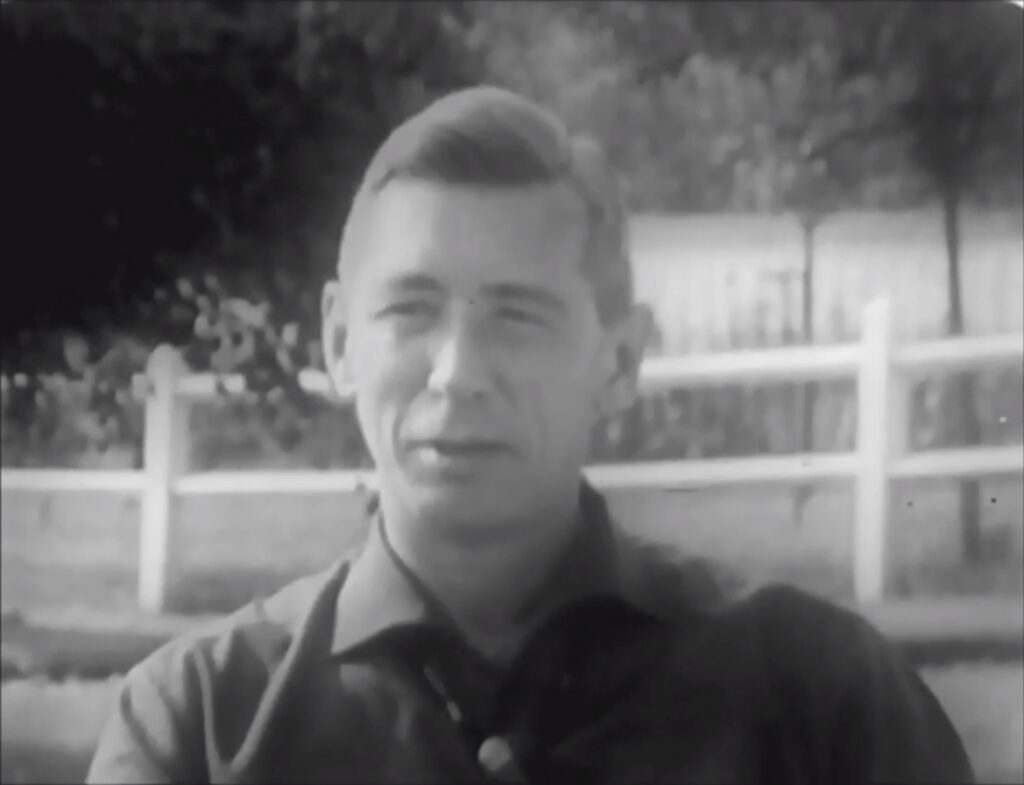
Georges Remi (Hergé) was born in a Brussels suburb in 1907 to a lower-middle-class family and served in the Belgian army. He was hired by the conservative Catholic paper Le Vingtième Siècle to draw comics for its children's supplement Le Petit Vingtième and there created the boy reporter Tintin. The paper's editor sent Tintin to a fictionalized Soviet Union to expose Bolshevik evils. Tintin became immediately popular, with popularity growing enough that an actor portrayed him returning by train to Brussels. Further adventures included Tintin in the Congo and Tintin in America.
"The Adven­tures of Tintin may be a chil­dren's com­ic series from mid-twen­ti­eth-cen­tu­ry Europe, but its appeal has long since tran­scend­ed the bound­aries of form, cul­ture, and gen­er­a­tion. In fact, many if not most seri­ous­ly ded­i­cat­ed fans of Tintin are in mid­dle age and beyond, and few of them can have avoid­ed ever con­sid­er­ing the ques­tion of his cre­ator's activ­i­ties dur­ing the Sec­ond World War."
"After serv­ing in the Bel­gian army, explains his­to­ry YouTu­ber Mark Fel­ton in his new video above, Remi was hired by the con­ser­v­a­tive Catholic paper Le Vingtième Siè­cle to draw comics for its chil­dren's sup­ple­ment Le Petit Vingtième. It was there that he became Hergé and cre­at­ed the boy reporter Tintin, whom the paper's edi­tor asked to be sent to a fic­tion­al­ized Sovi­et Union in order to expose the evils of the Bol­she­viks."
Read at Open Culture
Unable to calculate read time
Collection
[
|
...
]