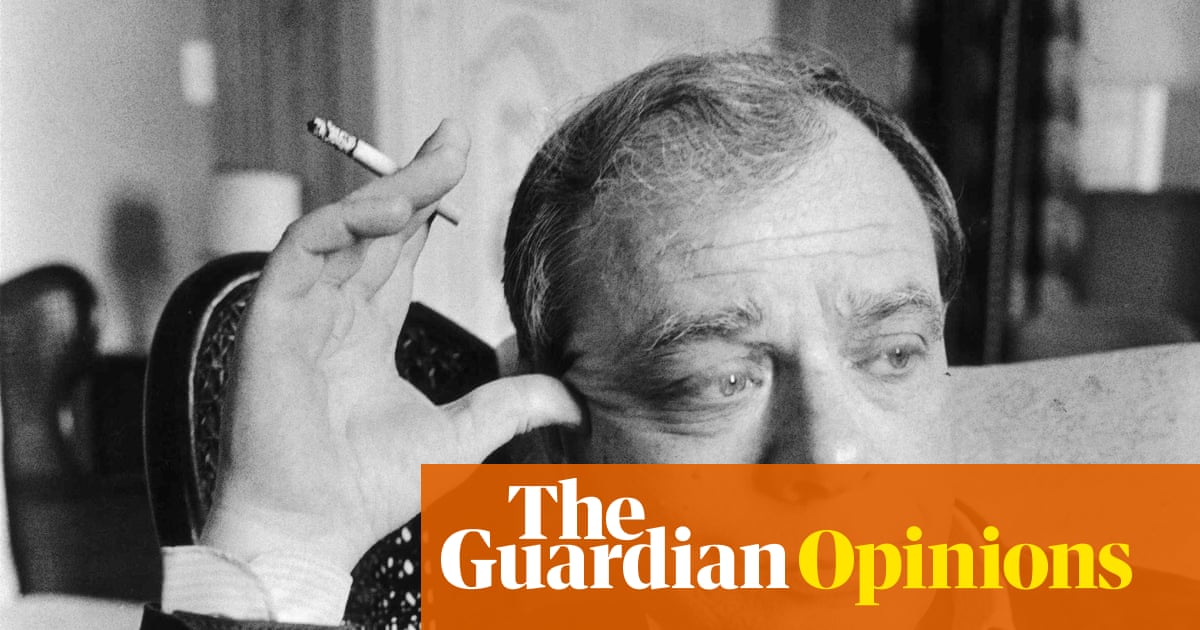
"Over the course of more than 30 novels, Lobo Antunes honed an exacting modernist style all his own, using it to explore Portugal's relationship with its fascist past, and to confront the tragic futility of its final colonial campaigns in Africa. Often dismissed as a difficult writer, Lobo Antunes crafted prose that was stubbornly flirtatious, at once inviting and resisting the reader."
"His sentences, lush with intricate metaphors and similes, bristly with ideas and provocations, brazenly flout the rules of grammar, syntax and punctuation, determined to preserve their idiosyncrasy. Texturally, his stories are a feat, combining discordant elements to exhilarating effects: nihilism paired with political gusto; farce shot through with horror; realism grading into the weird and the surreal."
"For Lobo Antunes, a true work of art possesses intensity. The novelist he saw himself as didn't so much write as engrave words so they could be read, like braille, without the help of one's eyes. So that one could run one's finger over the lines and feel the fire and the blood."
Antonio Lobo Antunes, who died at 83, was a Portuguese novelist known for his stylistic daring and modernist approach to literature. Over 30 novels, he developed an exacting, idiosyncratic prose style that deliberately flouted conventional grammar, syntax, and punctuation rules. His work explored Portugal's relationship with its fascist history and the tragic colonial campaigns in Africa. Though often considered difficult, his sentences combined lush metaphors with provocative ideas, blending discordant elements like nihilism with political engagement, farce with horror, and realism with surrealism. Born in 1942 to a bourgeois Lisbon family, Lobo Antunes believed true art required intensity, aiming to engrave words so deeply readers could feel their emotional weight.
Read at www.theguardian.com
Unable to calculate read time
Collection
[
|
...
]