Ancient cultures memorialized earthquakes, volcanic eruptions, eclipses, meteor showers, and other natural phenomena in myths and legends. Researchers compare those narratives with geological, meteorological, and biological evidence to identify real events behind folklore. The field of geomythology investigates how stories about lost civilizations, floods, and cataclysms correspond to seismic, volcanic, and climatic processes. Examples include reports of dry quicksand, rains of frogs, burning lakes, paleoburrows, and prolonged regional winters that map to environmental occurrences. Comparative study of classical descriptions of fossils and cross-cultural folk science reveals how observational knowledge became encoded in mythic forms.
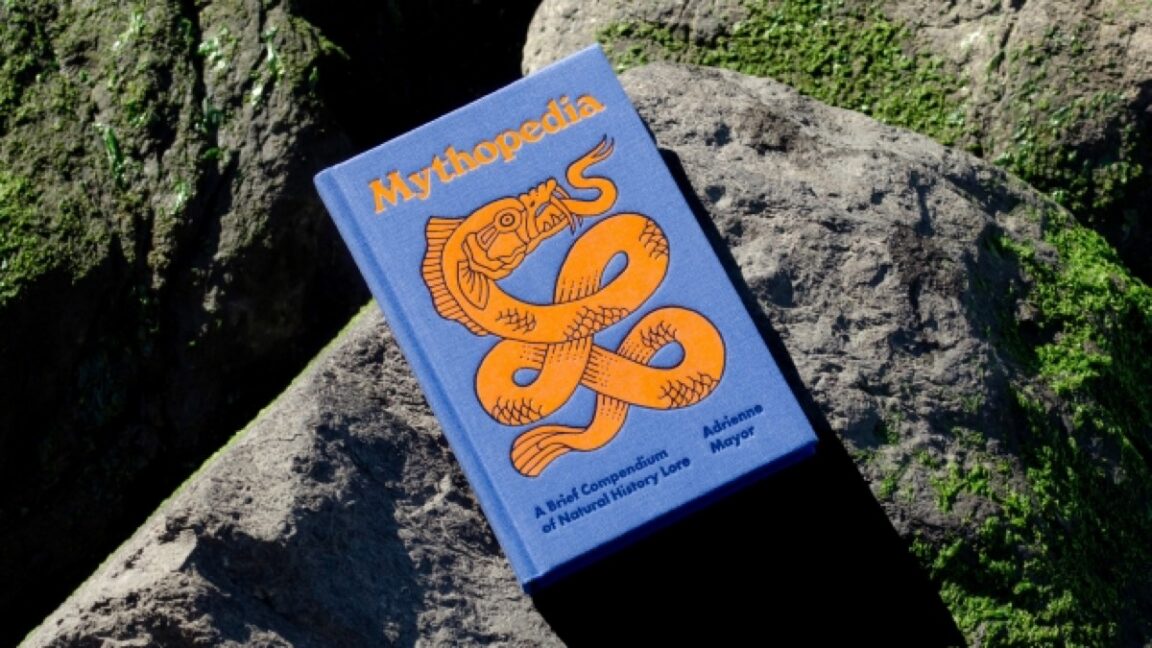
"Earthquakes, volcanic eruption, eclipses, meteor showers, and many other natural phenomena have always been part of life on Earth. In ancient cultures that predated science, such events were often memorialized in myths and legends. There is a growing body of research that strives to connect those ancient stories with the real natural events that inspired them. Folklorist and historian Adrienne Mayor has put together a fascinating short compendium of such insights with Mythopedia: A Brief Compendium of Natural History Lore,"
"Mayor's work has long straddled multiple disciplines, but one of her specialities is best described as geomythology, a term coined in 1968 by Indiana University geologist Dorothy Vitaliano, who was interested in classical legends about Atlantis and other civilizations that were lost due to natural disasters. Her interest resulted in Vitaliano's 1973 book Legends of the Earth: Their Geologic Origins."
Read at Ars Technica
Unable to calculate read time
Collection
[
|
...
]