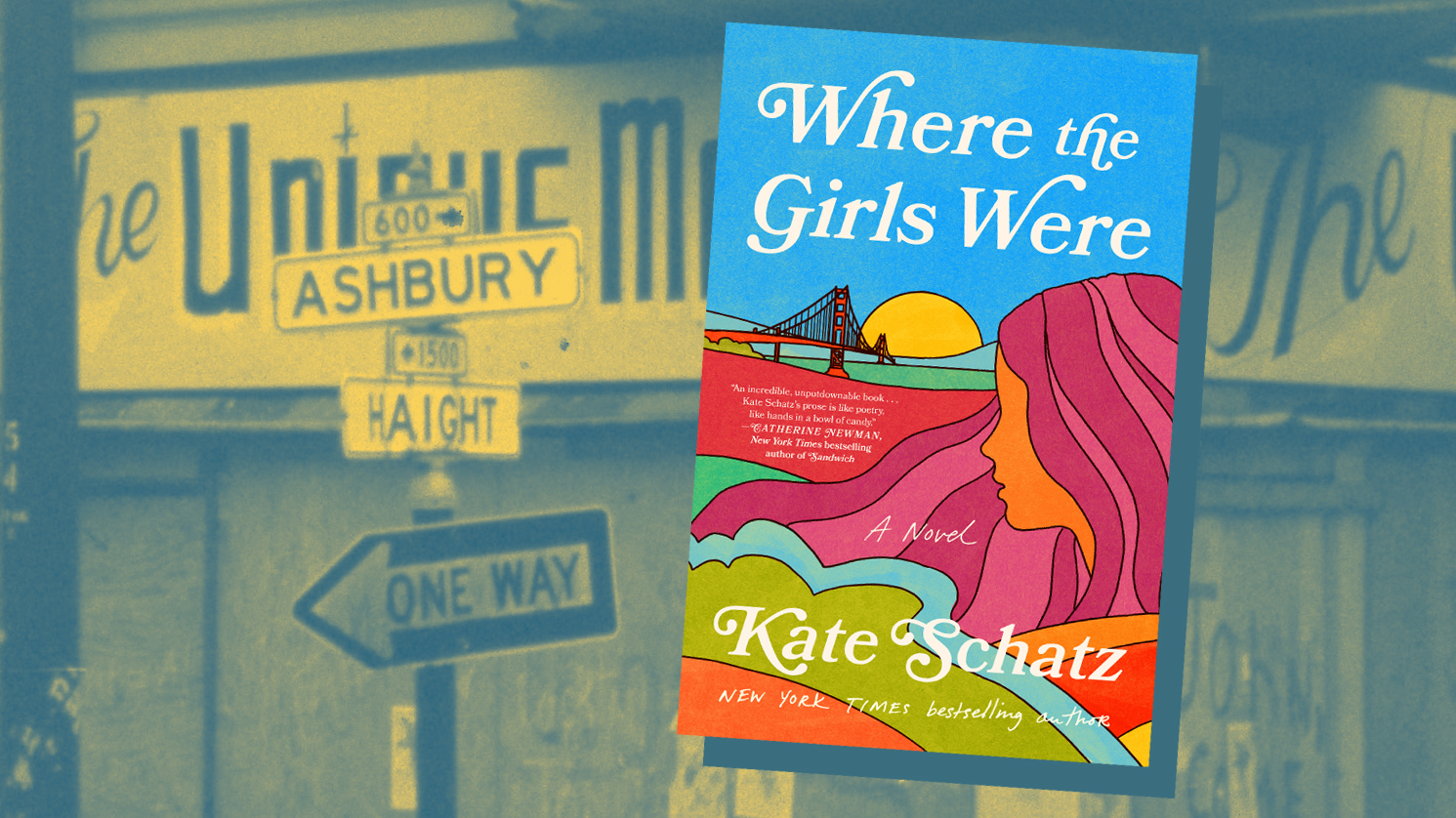
"In 1968, a "good girl" is squeaky clean. She studies hard, follows the rules, gets into college and doesn't embarrass her parents. She doesn't lie or drink or do drugs. She doesn't participate in the Summer of Love or experiment with any of its alternative ways of living. She definitely doesn't have premarital sex, get pregnant and upend everyone's meticulously laid plans for her future."
"One of the few options available to unwed mothers in 1968 were private maternity homes, where families sent their daughters under the pretense of study abroad programs or extended visits to distant relatives. The girls gave their babies up in closed adoptions, often never speaking of their pregnancies again."
"The novel captures the widening gap between the suburban formality of Baker's world and the social upheavals happening on the nightly news. Baker drafts an anti-war editorial; students riot in Paris; RFK is assassinated at the Ambassador Hotel. But at home and at the home, an old-fashioned stiffness prevails."
Where the Girls Were follows Elizabeth "Baker" Phillips, a high school senior in 1968 who becomes pregnant after a brief romantic encounter at a New Year's Eve concert. As a "good girl" bound by strict social conventions, Baker faces limited options available to unwed mothers of that era. She enters a private maternity home where girls are sent under false pretenses, forced to wear fake wedding rings and follow rigid dress codes while preparing to give up their babies in closed adoptions. The novel contrasts Baker's constrained domestic world with the broader social upheavals of 1968, including anti-war movements and political assassinations, highlighting the disconnect between societal progress and the old-fashioned stiffness that governs the maternity home.
Read at Kqed
Unable to calculate read time
Collection
[
|
...
]